

Cardboard packaging is the most widely used packaging material in logistics, e-commerce and the manufacturing industry. The choice between corrugated board and solid board determines product safety, transport costs and customisation options. This guide outlines the different types of cardboard, the properties of each type and the criteria for selecting the right one for a specific application.
What is cardboard packaging and what is it made of?
Cardboard packaging consists of containers made from cardboard – a paper-based material with a single- or multi-layered structure – which serve a protective, transport and environmental purpose. The range includes individual boxes, master cartons and transport packaging. The choice of a specific type depends on the product’s characteristics, transport requirements and the industry.
What is the difference between cardboard and paperboard?
Cardboard is a raw material – a sheet of paper of a specific thickness and texture. Cardboard boxes are finished packaging items formed from cardboard into a specific, functional shape. The relationship between them is similar to that between sheet metal and a metal container: cardboard is the raw material, whilst cardboard boxes are the final packaging product.
What is a cardboard box?
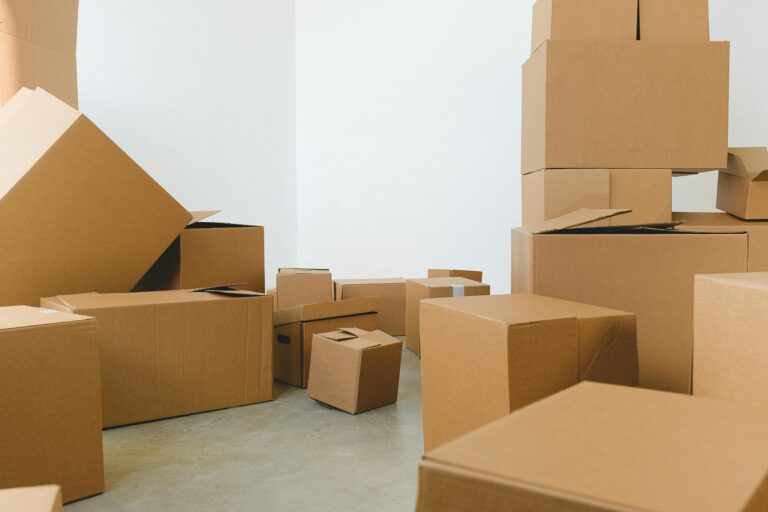
A cardboard box is a container formed from one or more sheets of solid or corrugated cardboard, folded and sealed with flaps or adhesive tape. They are produced using two main processes – die-cutting (where a die cuts out the shape) and folding. Cardboard packaging can be stored flat, which reduces storage costs.
What types of cardboard are used in packaging?
The cardboard used in the manufacture of cardboard packaging falls into two categories: corrugated cardboard and solid board. Each has a different structure, thickness and mechanical properties, which directly determines its suitability for a particular packaging process.
What is corrugated cardboard and how is it made?
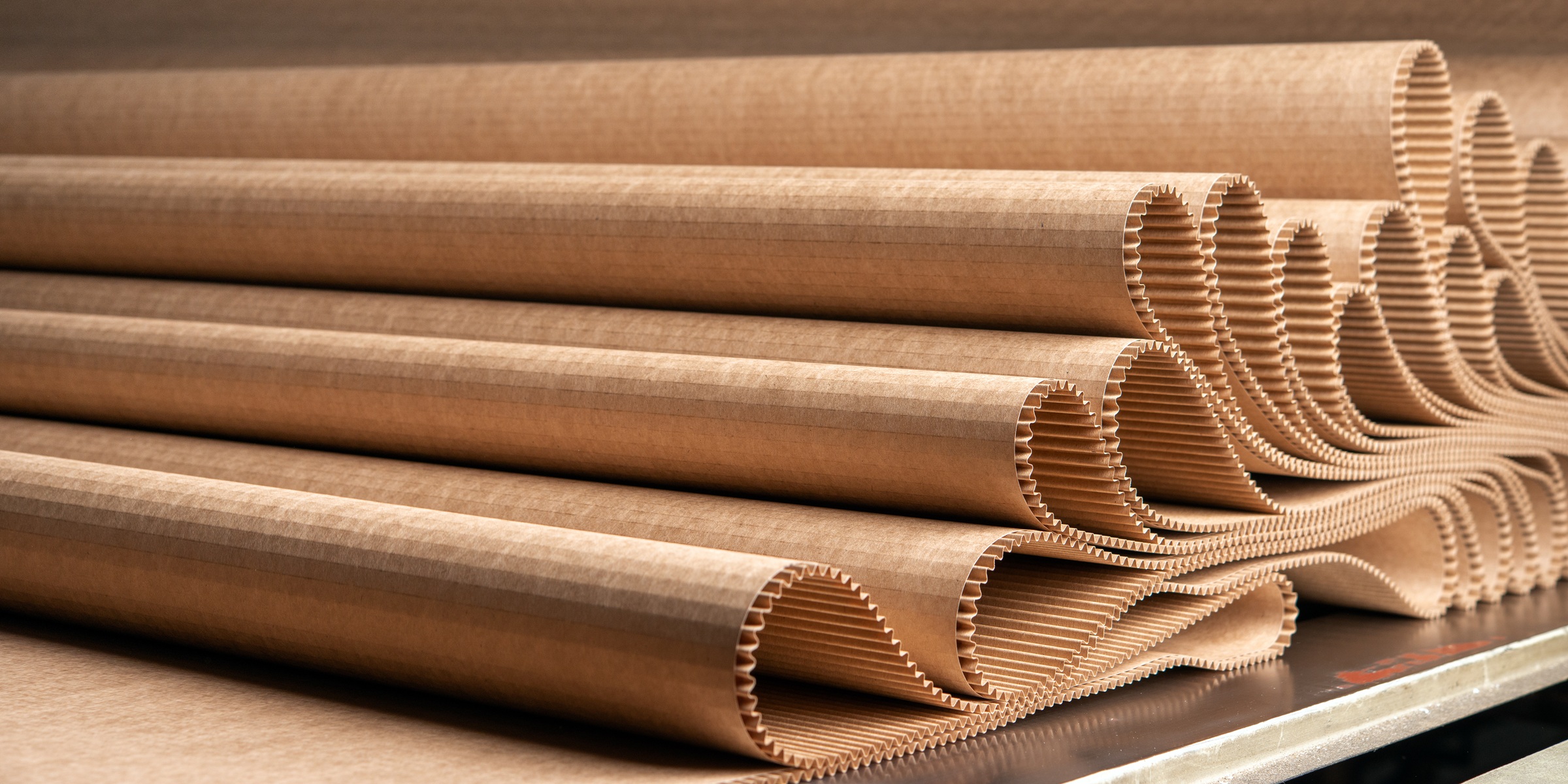
Corrugated board is a layered material – it consists of a corrugated core (fluting) sandwiched between flat paper liners. The corrugated core absorbs shocks and provides cushioning for products during transport. Corrugated board can be up to 6 mm thick and is the primary material used in the manufacture of shipping and bulk cartons.
There are three types of corrugated board:
- It consists of one corrugated layer and two outer liners (three-layer cardboard)
- It consists of two corrugated layers, three liners and is between 5 and 6 mm thick (five-layer cardboard)
- It consists of three corrugated layers and is used for packaging machinery and household appliances (seven-layer cardboard)
What are the different types of corrugated cardboard?
The different types of corrugated board vary in terms of the height and density of the corrugations, which determine their strength and intended use:
- Wave B (3 mm) – low and dense, used for packaging small retail items
- C-flute (4 mm) – medium height, the most popular choice for shipping and bulk cartons
- E-wave (1.5 mm) – very low, used on cosmetic and food packaging requiring precise printing
- BC flute – a combination of B and C flutes, used as an alternative to five-layer cardboard
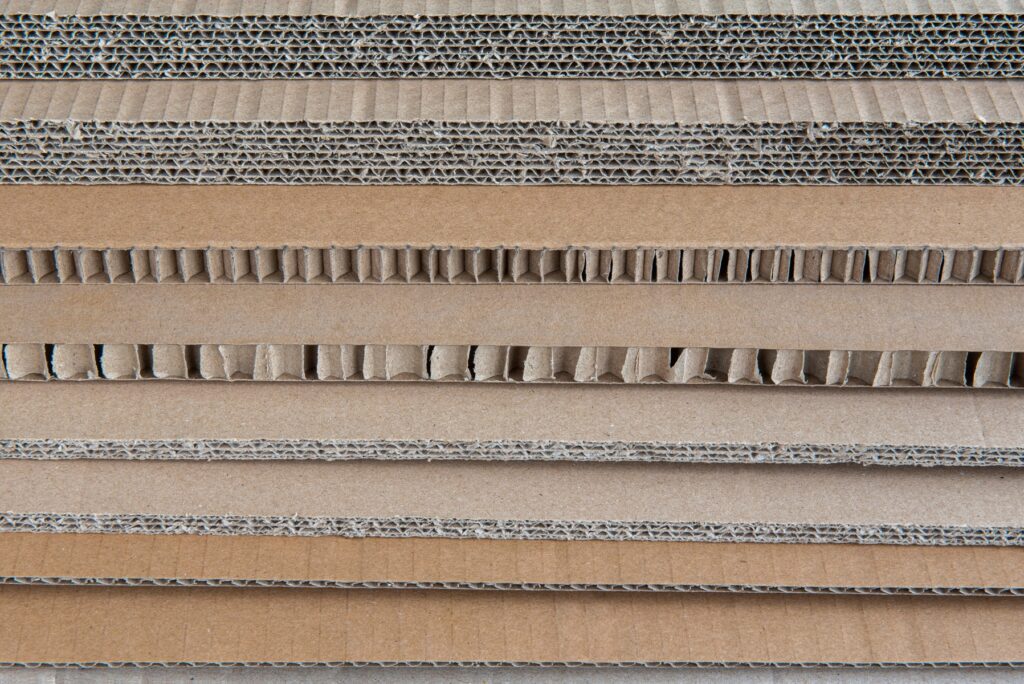
The height of the corrugation directly affects the cardboard’s compressive strength and its resistance to mechanical damage during transport.
What is solid board?
Lithographic board is a solid sheet of paper with a thickness ranging from 0.3 to 3 mm, without a corrugated core. It is characterised by a smooth surface that is ideal for precise advertising printing. Solid board is mainly used for retail and presentation packaging – boxes for cosmetics, medicines, confectionery and foodstuffs. Solid board offers excellent aesthetic qualities, but has lower mechanical strength than corrugated board.
What types of cardboard packaging are there?
Cardboard boxes vary in shape, closure method and application. There are four main types of cardboard packaging: flap boxes, die-cut boxes, telescopic boxes and laminated boxes. Each type meets different requirements regarding the protection of the contents and their functionality during the packaging process.
What are flap boxes and when should they be used?
Fold-top boxes are The most common type of cardboard packaging – a cuboid with four flaps that close the top and bottom of the box, sealed with adhesive tape or staples. A flap box can be made from three-ply or five-ply cardboard – the choice depends on the weight and fragility of the contents. A flap box is easy to assemble and can be stored flat.
Fold-out cardboard boxes are used for:
- Packaging parcels in the e-commerce sector
- Archiving of office documents
- Transport of household appliances and electronics in bulk packaging
- Packaging of food products for wholesale distribution
What are die-cut cardboard boxes, and what makes them stand out?
Die-cut cardboard boxes are Packaging precisely tailored to the shape of a specific product, produced using a die-cut template made from corrugated or solid board. Pre-formed cardboard boxes do not require adhesive tape – they are sealed using specially shaped flaps. The design of pre-formed cardboard boxes ensures greater stability and better protection than flap-type boxes, as the packaging does not shift relative to the product.
Custom-shaped boxes provide better protection for fragile items during transport. Custom-shaped packaging is ideal for packing electronics, toys, cosmetics and premium products. It can be tailored to non-standard sizes, making it the perfect choice for e-commerce businesses selling irregularly shaped products.
What are telescopic boxes?
Telescopic boxes consist of two interlocking parts – a base and a lid that fit together. With their adjustable height and interlocking system, they provide extra protection for the product and are easy to open. Telescopic boxes are ideal for packaging gifts, clothing and items of varying heights.
What is laminated packaging?
Laminated packaging consists of cardboard boxes covered with an additional layer of decorative paper or film using a lamination process. Laminated cardboard increases resistance to mechanical damage and improves the appearance, thereby protecting the contents from the elements whilst enhancing the brand’s image. Laminated cardboard is used for transporting heavier items and for packaging luxury goods. Laminated packaging can feature any advertising print and is the ideal choice for premium brands.
How do you choose cardboard packaging that’s right for your product?
The choice of cardboard packaging depends on four factors: the weight of the product, its susceptibility to mechanical damage, transport requirements and the desired aesthetic qualities. The thickness of the cardboard, the type of corrugation and the type of carton must be suited to the profile of the product being packaged.
Which cardboard boxes should you choose for light and heavy products?
Three-layer cardboard boxes are ideal for packing light products – up to 10 kg. A single layer of corrugated cardboard provides sufficient cushioning for clothing, cosmetics and documents. Five-layer cardboard boxes are between 5 and 6 mm thick and protect heavy products and heavier items requiring increased strength – household appliances, ceramics and electronics. Two layers of corrugated board provide a compressive strength of over 4 kN/m.
Which cardboard packaging options work best for e-commerce?
The e-commerce sector is best served by flap boxes made from three-layer or five-layer cardboard. Flap boxes allow for the rapid packing of parcels and can be scaled to accommodate fluctuating order volumes. Cardboard packaging protects the contents during courier delivery and can be easily adapted to different product sizes. You’ll find a comprehensive overview of the types of packaging used in logistics – from unit packaging to transport packaging – in a separate guide Types of packaging in logistics.
Why is cardboard packaging an eco-friendly choice?
Cardboard is a biodegradable material – over 90% of cellulose fibres from a single cardboard box can be recycled. The production of cardboard consumes less energy than the manufacture of plastics, and the raw material comes from renewable forest resources (FSC-certified). Cardboard packaging is lightweight, which reduces transport costs and lowers CO₂ emissions per consignment. Eco-friendly cardboard packaging promotes recycling and sustainable production, whilst raising customers’ environmental awareness.
For products requiring airtight packaging – such as pharmaceuticals or cosmetics – an alternative to die-cut cartons is blister packs, which combine product protection with showcasing its appearance.
How can you automate the process of packing into cartons?
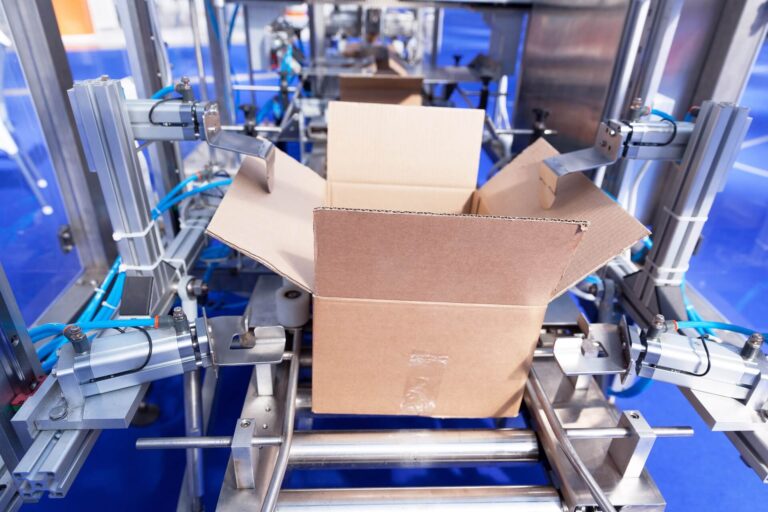
Manual packing limits the line’s throughput and increases the risk of mechanical damage resulting from inconsistencies in the process. Automatic packing into cartons is carried out by cartoners – machines designed for individual and bulk packaging, operating in continuous or start-stop mode and suitable for various types of cartons.
Carton-making machines provide:
- Precise forming and sealing of cardboard boxes without adhesive tape (for die-cut boxes)
- Consistent repeatability of the packaging process at a throughput of 20 to 200 cartons per minute
- Handling of gusseted and die-cut cartons in a wide range of sizes
- Integration with the production line – vibrating feeders, labelling machines and dosing systems
The choice of a carton packing machine depends on the type of carton (flap-type vs pre-formed), the planned output and the requirements regarding the sealing of the packaging.

 English (UK)
  Polski
  Deutsch