

Cardboard and foil packaging: their differences, advantages and uses
Packaging plays a huge role in our daily lives. As the market and technology develops, different types of packaging become available, allowing us to adapt to different needs and requirements. Two of these popular types are cardboard and plastic packaging. In this article, we will take a closer look at these two types of packaging, compare them and discuss their advantages and uses.
Packaging functions
Different types of packaging perform a number of important functions that affect the quality and durability of the products and make them easier to transport and store. Here are some of these functions:
Protective function
One of the key functions of packaging is to protect the contents from damage, moisture, light and other external factors. With the right packaging, products are safe and retain their quality.
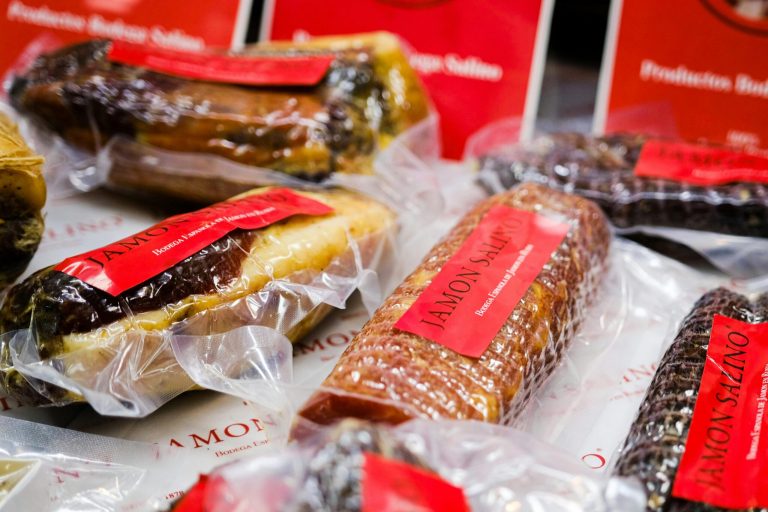
The protective function of packaging is extremely important, especially for food and pharmaceutical products. The packaging must be designed to protect the contents from any hazards that may affect the quality and safety of the products. An example of this is moisture protection packaging, which prevents damage to products during transport and storage.
Logistical function
In the field of logistics, packaging plays an irreplaceable role. They help to store, transport and deliver goods, which is of great importance in the supply chain.
Logistics packaging, such as pallets, transport boxes and bags, are designed to facilitate the loading and unloading of products, minimise losses during transport and maximise storage space. They enable products to be stored and transported more efficiently and safely.
Information function
Packaging contains important product information, such as ingredients, expiry date or instructions for use. This is particularly important for food products and medicines.
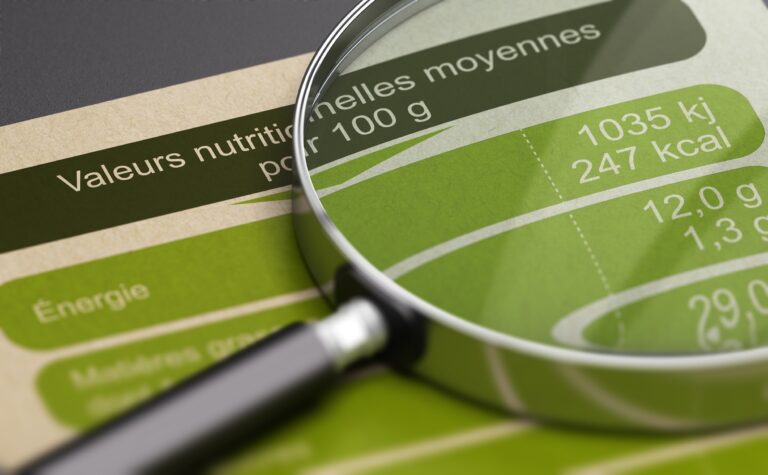
The information function of packaging is crucial for consumers, as it allows them to find out more about a product before buying and using it. For example, food packaging provides information on ingredients, nutritional values, allergens and storage. For people with allergies or dietitians, this information is invaluable as it allows them to choose the right products accurately.
Cardboard packaging
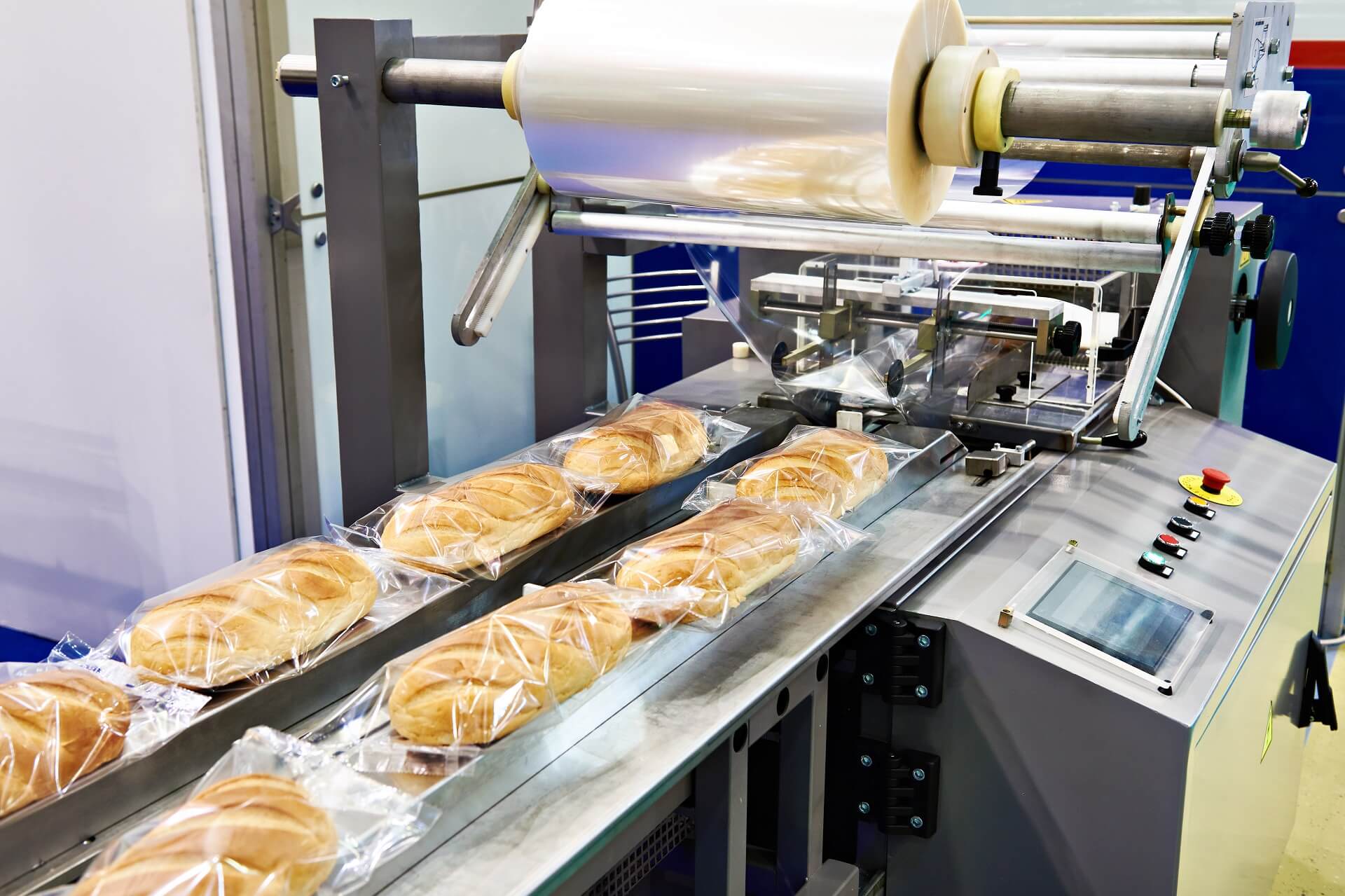
Polyethylene (PE) shrink film is an indispensable solution for packaging heavier products. Compared to other types of film, PE film is relatively thicker, making it the ideal choice where exceptional packaging strength and durability are needed.
Cardboard packaging has many advantages, including:
- Eco-friendliness: cardboard packaging is usually biodegradable and can be recycled. it is the ecological choice
- Ease of personalisation: they can be easily printed and personalised to create attractive advertising packaging
- Durability: cardboard packaging is strong enough to protect the contents from damage
- Multifunctional: suitable for storage, transport and presentation of products
- Low production cost: cardboard packaging is usually cheaper to produce than other types of packaging
Due to their properties, cardboard packaging is widely used. They are therefore used as:
- Food packaging: often used to store food such as cake boxes, soup boxes or breakfast cereals
- Cosmetic packaging: ideal for packaging cosmetics, from soaps to creams
- Electronic equipment packaging: often used to package electronic devices and accessories
- Packaging for games and toys: cardboard packaging is popular in the board games and toys industry because it is durable and aesthetically pleasing
Foil packaging
Product wrapping is a common solution that is used because of the parameters it exhibits. They are also distinguished by a number of advantages:
- Plastic packaging is usually made from different types of plastic, such as polyethylene or polypropylene. they are characterised by their flexibility and lightness
- Moisture-resistant: foil packaging is resistant to moisture, making it an excellent choice for food storage
- Easy sealing: foil packs can be easily sealed to ensure long-term storage of products
- Multifunctional: suitable for both free-flowing and liquid products
- Lightweight: they are lightweight and easy to carry
As a result, foil packaging will work well as:
- Food packaging: ideal for food packaging such as frozen or fresh produce.
- Pharmaceutical packaging: used to package medicines in various forms.
- Industrial packaging: used for the packaging of chemical and industrial products.
- Packaging for transport: plastic packaging is often used for transporting goods because it is lightweight and resistant to moisture.
Comparison of cardboard and foil packaging
Robustness
Cardboard packaging tends to be more robust than plastic packaging, making it suitable for products that require protection from damage, such as food products or electronics.
Eco-friendliness
Cardboard packaging is more environmentally friendly as it is biodegradable and can be recycled. Plastic packaging is more difficult to recycle and often poses a greater environmental problem.
Moisture resistance
Foil packaging is superior in terms of moisture resistance, making it ideal for products requiring long-term storage.
Personalisation
Cardboard packaging is easier to personalise and print, making it possible to create attractive advertising packaging. Foil packaging tends to be less flexible in terms of personalisation.
Summary
Cardboard and plastic packaging have their own unique characteristics, advantages and uses. The choice between the two depends on the type of product we want to package, its requirements and our environmental preferences. Regardless of which type of packaging we choose, both have a crucial role in our daily lives and economy.
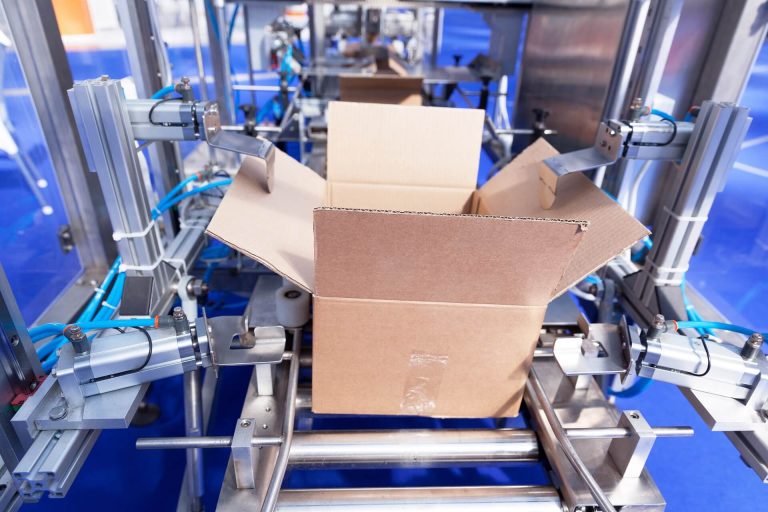
Take a look at our range of equipment for packing in cartons and flowpack and vertical machines.


 English (UK)
  Polski
  Deutsch