


Screw machines are the heart of the process sealing of bottles i other packaging: are responsible for tight seal, repeatable tightening torque and elimination of human errors. Well-chosen head capping, stable feeder nuts and the correct torque setting is the difference between a safe product and a series of complaints. In this guide, we explain how screwdrivers work, which types to choose for specific tasks and what to look out for in order to get a performance, reliability i tightness at industrial level.
How screw-top machines work
What is the work of the capper? The device orientates and gives caps on package neckand then tightens them in a controlled manner. In modern systems automatic capping works with transporters and torque controllers. In practice, you will encounter two dominant solutions: spindle (tightening by sets of friction discs in continuous motion) and clamping (stopping the bottle and precise tightening with the jaws/capping). The spindle is usually faster, the gripper - more accurate in terms of torque. This is not theory: such characteristics are confirmed by manufacturers' and line integrators' guides.
Screw machines in industry and manufacturing
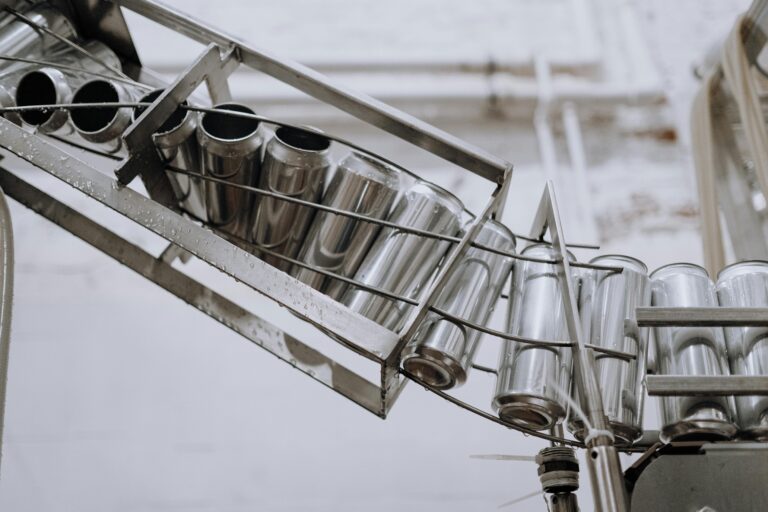
The capper itself rarely operates in a vacuum - it is a module of a larger production line alongside pouring machines, labellers, metal detectors and vision systems. Therefore, the selection of a capper should be considered systemically: from the bottle feed rate, the type of nutsto quality control (e.g. online torque measurement). When selecting packaging machines, check that the PLC control can correlate conveyor speeds, cap presence sensors and safe stopping procedures (SIL). In the case of very high tactility, machines that run continuously thanks to multi-head rotary tables and maintain high torque precision are a good choice.

How do you select the type of screw cap for your application?
In simple terms: when pace counts and you can tolerate a slight spread of torque - choose a spindle; when torque control and even seating of the seal are crucial, bet on the gripper. In pharmaceuticals, cosmetics and premium products (low tolerances, sensitive glass packaging) top-side screw caps have the advantage; in beverages and many products food industry - Spindle or snap-on systems are often the winners. It is also worth bearing in mind snap caps (for twist-off and tilt-off lids) and continuous thread caps (standard threads), found in industries ranging from sauces to household chemicals.
Do the type of cap and... types of packaging influence the choice?
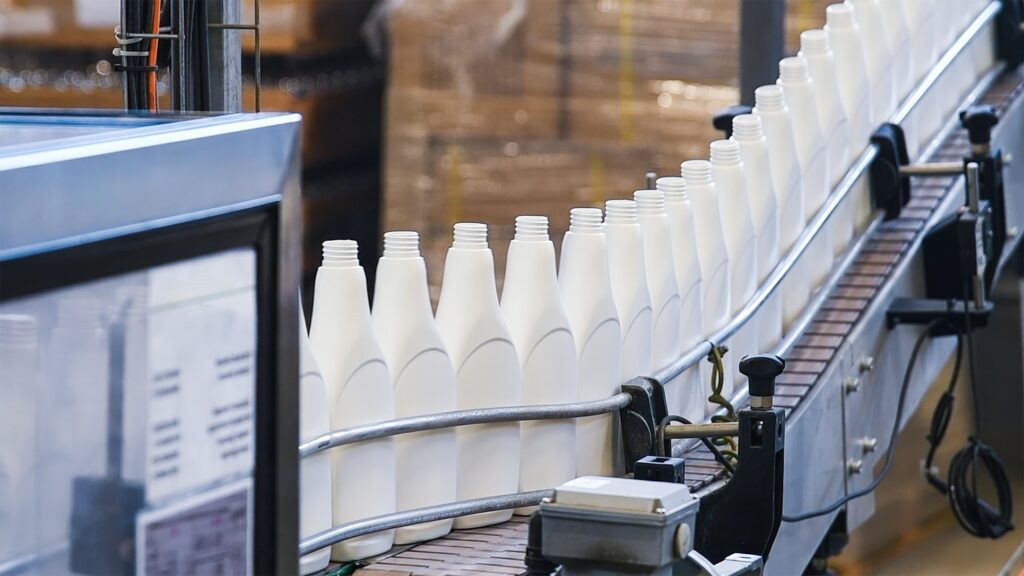
Definitely yes. They behave differently plastic bottles (PET/HDPE), otherwise jars and bottles glass; to this are the 'lug' caps for preserves, flip-top, "disc-top", sports "push-pull" or twist-top. Each of these types requires different torque and clamping characteristics, which translates into the choice of head and clamping kinematics. By the way - if you also work with tubes, at the moulding and dispensing stage they work well with a line of tube makerswhich prepare the tubes before the final closing and labelling.
Construction material and hygiene: steel matters
In applications food industry and cosmetic industry, construction with stainless steel (usually 304 or 316/316L) for corrosion resistance, CIP/SIP cleaning and sanitary requirements (e.g. EU 1935/2004, NSF/ANSI 51). Components in contact with the product or neck/package neck should be of materials high quality316(-L) does not carry contaminants. 316(-L) copes better with chlorides and aggressive cleaning chemicals; 304 is widely used thanks to its good price/performance ratio.
Tightening torque: the key to tightness and safety
Too little momentum makes it worse security i tightness (risk of leakage), too large risks deforming the thread, destroying the gasket or breaking the neck - especially in PET. Practical guidelines state, among other things, that indicative the moment of application sometimes close to "half the diameter of the cap" (e.g. 28 mm → row 13-17 in-lb), but should always be calibrated to the individual pair nut-bottle and process conditions (filling temperature, liner type, induction film sealing). The control measurement is carried out using the "removal torque" method (immediate unscrewing torque after application). Automatic overlay should give values consistent with the recommendations of the closure manufacturer.
Inline or rotary screw machines - which type of machine to choose?
For most small and medium-sized producers best suited to linear systems - allow easy set-up, involve lower purchase costs, offer good service accessibility and allow modular expansion of the production line (e.g. by adding tightening force control). At very high production speeds (hundreds of bottles per minute) prevail rotary screw machines with multiple heads - they maintain a high rate without stopping bottles. The choice therefore depends on the capacity required (bottles per hour) and the stability of the process.

Ergonomics and changeover
What counts in practice: quick guides for bottles with different diameters, easy cleaning (smooth welds, no dead zones), automatic orientation caps, rich opportunities head adjustment and simple service (HMI with recipes). Good if device is equipped into sensors for missing nuts and rejecting incompatible pieces - this reduces Risk and supports security work.
Integration of quality-related systems
To sealing of bottles it is worth adding a torque tester (off-line or on-line), or a vision system for checking the position of the TE ring (tamper-evident), checkweighers and leak detectors. It is these elements that give us the 'hard data' that process is under control - in accordance with industry guidelines for measuring torque and closing stability.
Step by step: implementing the screw machine in production
- Define the requirements: type of closure (e.g. screw cap, hook, flap or twist type), material and type of packaging (PET, HDPE, glass), the viscosity of the product, the speed of the line and the layout of the equipment on the production floor.
- Choose your mechanics: spindle-tightened nuts for fast work rates, systems with gripping heads for greater precision; at very high speeds - rotary devices.
- Determine the materials: construction in type 304 or 316 stainless steel, components in contact with the product should meet the requirements of the food industry.
- Calibrate the tightening force: Use tables developed by manufacturers and unscrew tests. Write down the parameters for each product reference.
- Safeguard quality: use tightening force testers, defect rejection systems and vision inspection.
If you are comparing offer suppliers, pay attention not only to price, but also to service capabilities in your region, parts availability, response times and references in your industry. Many companies offer tests on your products - this is the best way to make sure the solution really allows obtain ideal matching the neck shape and gasket profile. If you have doubts, contact contact us - a moment's chat with our packaging machinery specialists will usually allow find out more than you can read in the machine manufacturers' catalogues.
FAQ - Frequently asked questions
Which bottle capper to choose for a capacity of 6-8,000 bottles per hour?
Spindle screwdrivers are the most common choice - they combine reasonable cost with adequate working speed. When precision of tightening force is important (e.g. in the pharmaceutical industry), gripper systems are a better choice.
Do plastic bottles and glass jars require different settings?
Yes, the material and type of thread affect the clamping force and tightening torque; therefore, it is a good idea to carry out your own unscrewing force tests for each packaging and closure combination.
What material should the construction of a screw cap in the food industry be made of?
Type 304 or 316 stainless steel, meeting food contact standards, is recommended; ease of cleaning and corrosion resistance are equally important.
What types of nuts can one production line handle?
Many, including: continuous thread, clip-on (twist) caps, flip-top lids, disc-top lids and sporting push-pull closures. The key is to quickly adjust the guides and heads to accommodate the change in nut type.


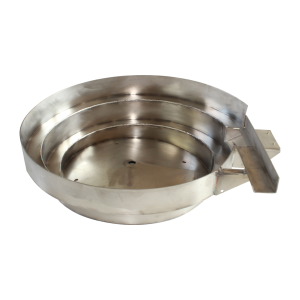 Right-hand bowl S-300-35
 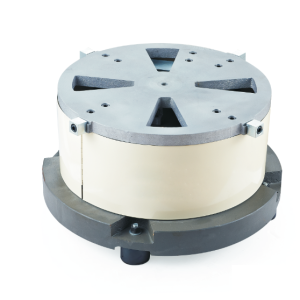 Vibration base NTB-46
 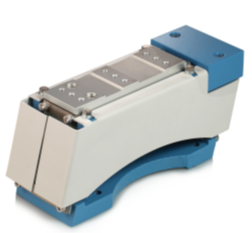 NTL 650B linear vibrator base
  English (UK)
  Polski
  Deutsch