


In the rapidly changing world of logistics, packaging types play an extremely important role in ensuring the smooth flow of goods through the supply chain. Each type of packaging performs different functions, such as protecting products, facilitating transport or promoting a brand. Packaging can take the form of bags, boxes, crates or containers, and the choice of packaging depends on product properties, quality characteristics and the mode of transport. The importance of packaging in logistics is steadily increasing, as it minimises losses due to mechanical damage and optimises storage and transport costs. The environmental function is also worth considering, as today's environmental challenges
Packaging classification in logistics
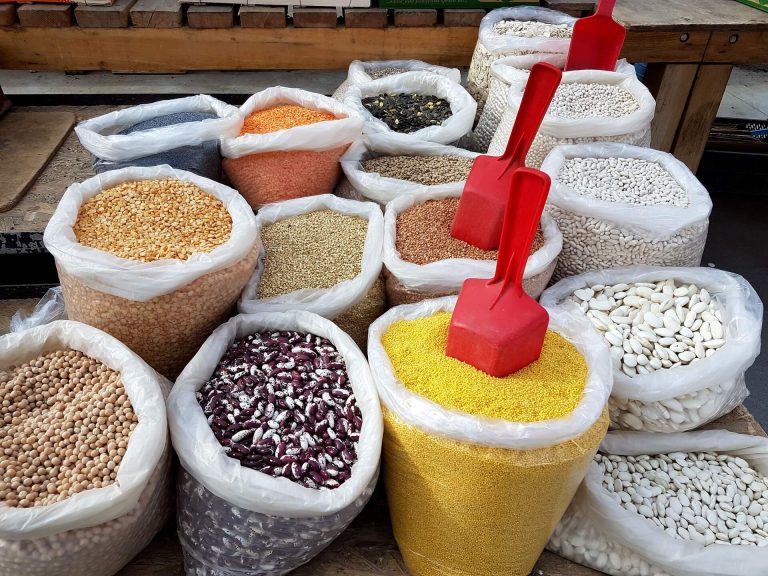
The division of packaging in logistics takes into account its use at different stages of the supply chain. There are three main types of packaging: unit, bulk and transport. Each of these categories is designed to fulfil specific functions, such as protecting products from mechanical factors or sunlight. Packaging used in logistics must be adapted to the type of material, the properties of the product and the requirements for storage and transportation. The promotional function is also important, especially in the case of sales packaging, which attracts customer attention through attractive design and ease of opening.

1. Pre-packaging
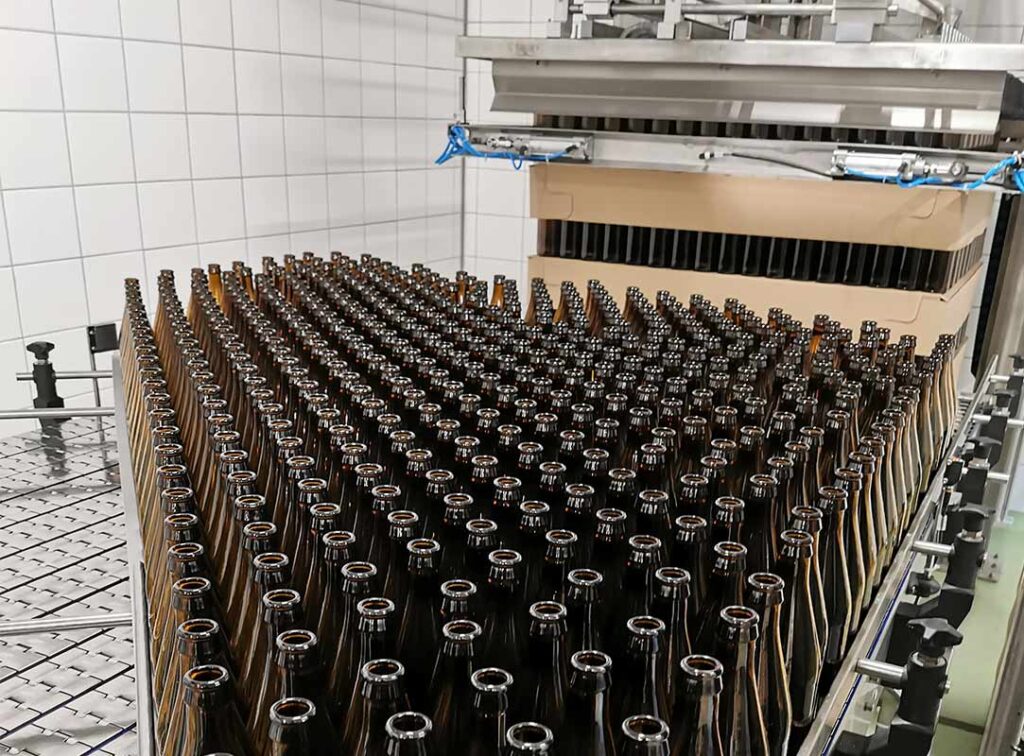
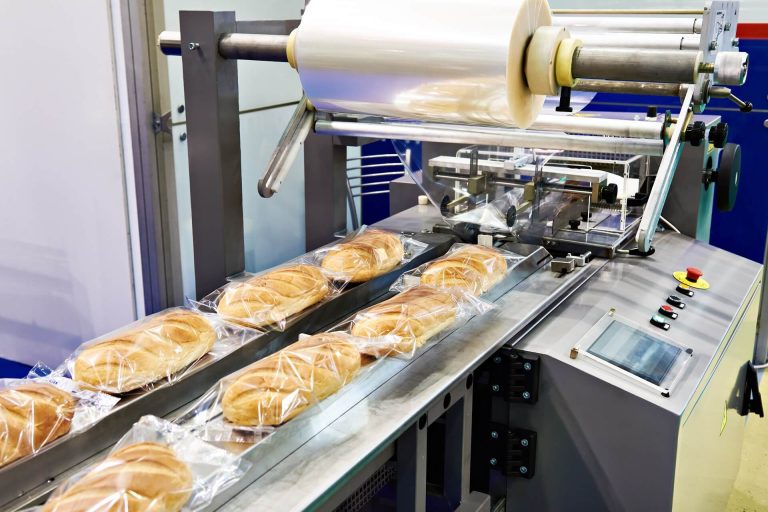
Pre-packaging, also known as commercial packaging, is mainly for retail and individual use. They can take the form of bags, bottles, cans or cartons, depending on the type of product. Their main purpose is to protect products from mechanical damage and external factors such as moisture or sunlight. In the case of food products, food packaging requires special airtight protection to preserve the freshness and quality of the articles. Increasingly, packaging machines are being used in this type of process, which automate the process and provide greater precision in the creation of unit packs.
2. Bulk packs
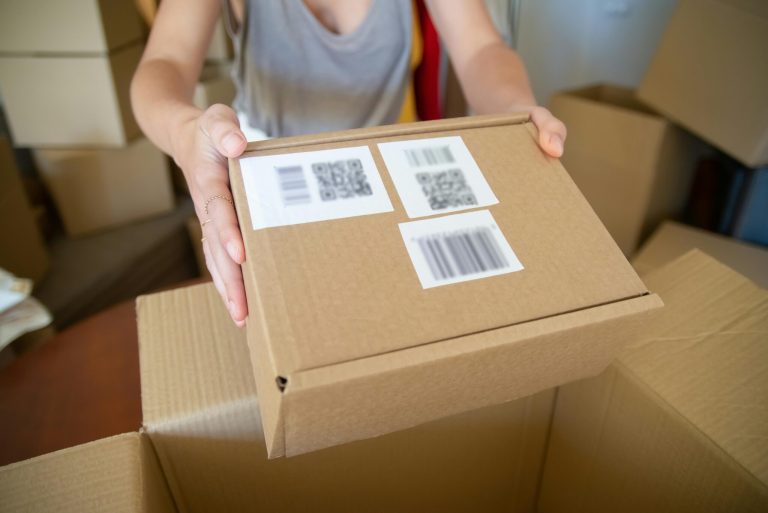
Bulk packaging is used to group several individual packages into a single loading unit, which greatly facilitates the cargo transportation and storage process. They often come in the form of cartons, crates or cardboard packaging, which are adapted to standard pallets and means of transport. By using them, the risk of mechanical damage can be reduced and ease of logistical handling can be guaranteed at each stage of transport. For the production of bulk packaging, the following are often used cartoners, machines designed to automatically fold and close cartons, which significantly speeds up the packaging process and reduces operating costs.
3. Transport packaging
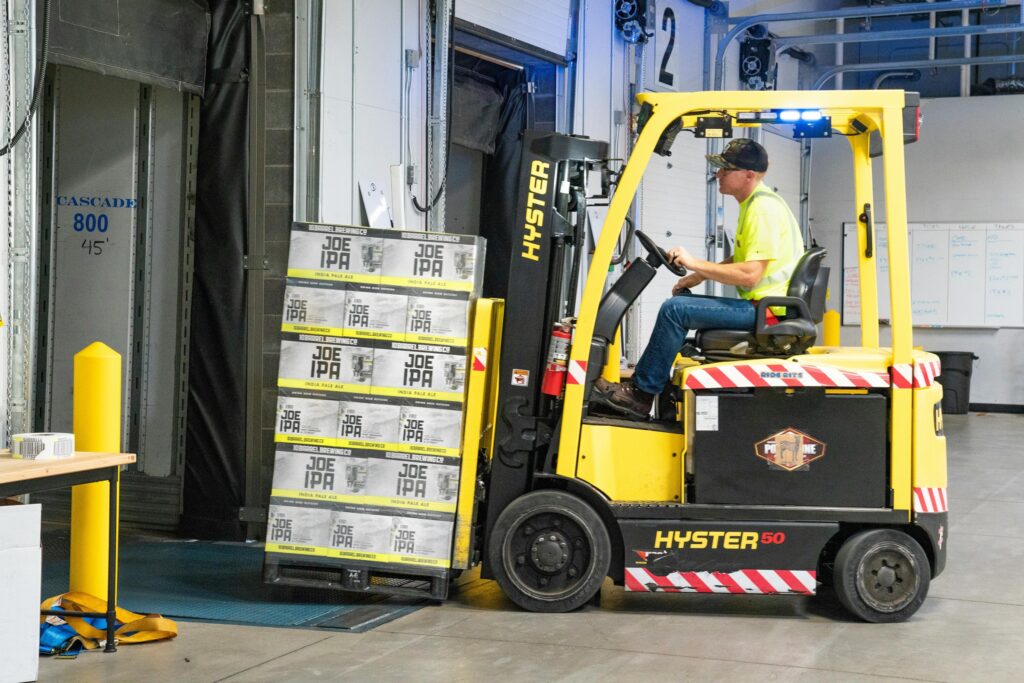
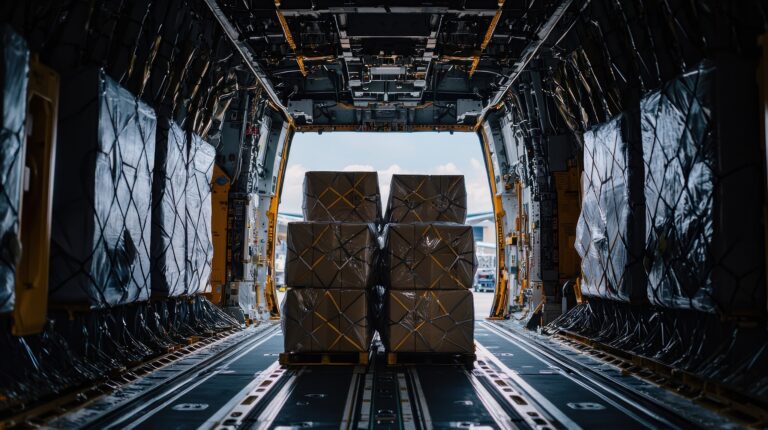
Transport packaging is the largest and most robust of all types of packaging. Their main purpose is to protect products from mechanical factors, moisture and chemicals during long-distance transport. This group includes wooden, metal and multi-material packaging, which combines different types of materials to achieve the desired shapes and strength. Transport packaging also allows optimum use of space in the means of transport, resulting in reduced operating costs. In the case of food products and medical devices, the following are often used hermetic packagingwhich provides protection against moisture, air and dirt. You can read more about this technology in the article: "Hermetic packaging".
Key functions of packaging in logistics
Packaging in logistics has a number of important functions that are crucial to the efficiency and safety of transport processes. The role of packaging is not only limited to product protection - it also includes a marketing, transport and environmental function. Appropriate packaging design minimises losses resulting from mechanical damage or improper storage. Individual packaging must be matched to the type of material from which it is made to ensure its durability and effectiveness in fulfilling its function. Modern logistics places great emphasis on the use of multi-material and shaped plastic packaging, which combines functionality with an ecological aspect.
- Commodity protection: Wrapping and transport packaging must protect goods from mechanical influences, moisture, contamination and sunlight. Particular attention is paid to the packaging of food products, which require airtight protection to keep them fresh and safe. Cardboard and paper packaging are popular for their ecological properties, but for heavier products, wooden or metal packaging is more commonly used.
- Transport function: Bulk and transport packaging allows cargo to be transported over long distances, minimising the risk of damage. Well-designed loading units, such as pallets or crates, significantly facilitate the organisation of logistics processes and their efficiency in means of transport. In the case of chemical products and medical devices, multi-material packaging is used, combining high durability with protection against external factors.
- Environmental function: With increasing environmental requirements, paper-based, biodegradable and recyclable packaging is gaining popularity. Plastic packaging is also increasingly being used in the packaging of clothing products or household goods, allowing them to be easily recycled and reducing packaging waste. The ecological approach in logistics aims to reduce the considerable energy expenditure associated with the production and disposal of packaging.
Factors determining the choice of packaging
Choosing the right type of packaging in logistics is a multi-step process and requires taking into account various aspects, such as the characteristics of the products to be transported, transport conditions and environmental aspects. The final choice of packaging materials affects not only the protection of the goods, but also the efficiency of logistics processes and the optimisation of operating costs. In the case of food products, it is extremely important to maintain their freshness and safety, which is why hermetic packaging, which provides protection against air, moisture and external factors, is increasingly used. These technologies are particularly suited to the food and pharmaceutical industries, where the requirements for airtightness are extremely stringent.
1. Product characteristics
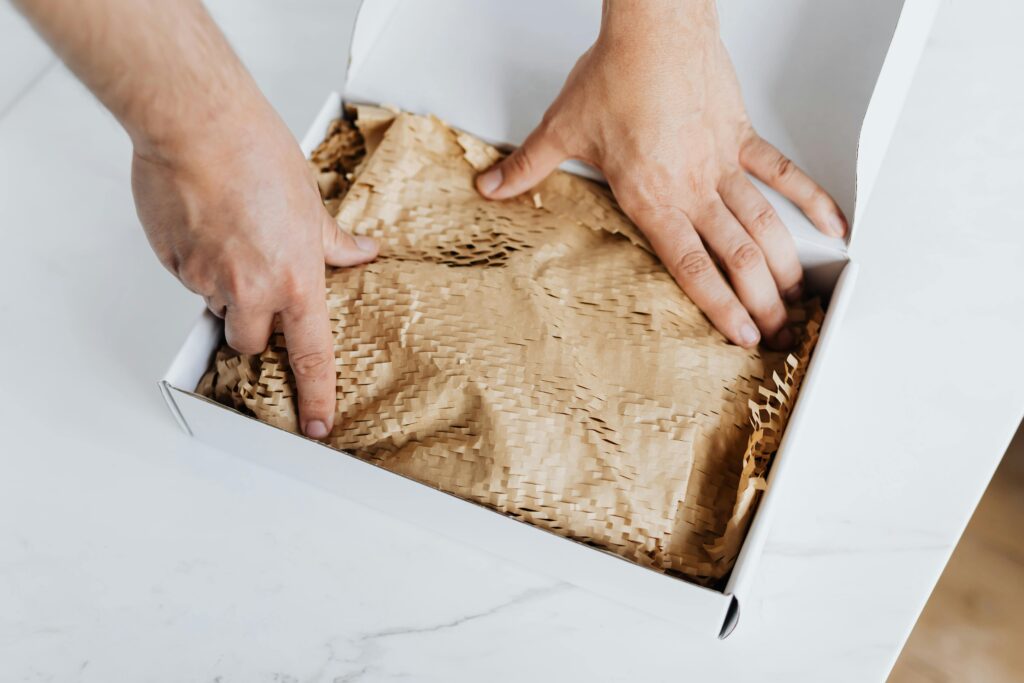
Product characteristics are a key factor in choosing the right packaging. Highly fragile products, such as medical devices or glassware, require multilayer packaging or protective fillings to prevent mechanical damage during transport. For foodstuffs, on the other hand, especially fresh or with a short shelf life, airtight packaging is used to help prolong the shelf life of the products and preserve their top quality. The weight and size of the product is also an important consideration - heavier goods require sturdy transport packaging, such as metal or wooden packaging, while lighter household goods are most often packed in cardboard or paper packaging.
2. Type of packaging material
The type of packaging material determines the functionality of the packaging and its impact on the environment. Plastics are widely used in logistics due to their low weight, ability to be shaped in different ways and resistance to external factors. However, their disadvantage is their negative impact on the environment, which is why paper or biodegradable packaging, which can be easily reused, is often used for eco-friendly products. Glass packaging, although requiring a considerable amount of energy in the production process, provides airtight protection, making it particularly popular in the wine industry and for packaging foods of different densities. Choosing the right material not only protects the product, but also optimises costs and meets environmental requirements.
Ecological approach to packaging
In an era of increasing environmental awareness, logistics companies are increasingly choosing to implement sustainable packaging solutions for their products. The green approach involves choosing materials that have a minimal impact on the environment, such as paper, cardboard or biodegradable packaging. The use of reusable packaging, which reduces packaging waste and long-term costs, is also an important trend.
Hermetic packaging, which is characterised by a high degree of impermeability and protection from external factors, plays an important role in the food industry. It makes it possible to reduce losses due to spoilage of goods, which at the same time has a positive impact on reducing waste. In addition, many companies are investing in modern packaging machines that optimise the packaging process and allow efficient use of resources. This approach combines packaging functionality with environmental concerns, benefiting both companies and consumers.
Optimisation of the packaging process
Optimising the product packaging process is integral to effective logistics management. Thanks to advanced technologies, such as packaging machines, companies can automate the packaging process to increase productivity and reduce operating costs. These machines are particularly useful in the garment, food and household goods packaging industry, where speed and precision are crucial.
Cartoners, which are one type of packaging machine, enable the automatic folding, forming and closing of cardboard packages. They make the packaging process of bulk products more efficient and allow cardboard packaging to be precisely tailored to meet logistical requirements. The use of such technologies also allows better use of space in the means of transport, which is particularly important when transporting cargo on a large scale. Appropriate optimisation of the packaging process therefore not only saves time and costs, but also improves the organisation of the entire supply chain.

Summary
Packaging types in logistics play a key role in ensuring the safety of transported goods and optimising logistics processes. The choice of appropriate materials and technologies, such as hermetic packaging or the use of cartoners, allows packaging to be adapted to the specific requirements of individual industries. At the same time, increasing environmental requirements mean that companies are increasingly turning to eco-friendly solutions that minimise the impact of packaging waste and promote sustainability. As a result, modern logistics combines an innovative approach to packaging with environmental concerns, creating a new quality in supply chain management.

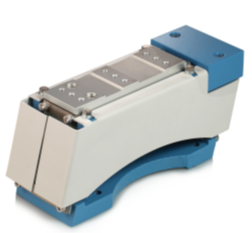 NTL 650B linear vibrator base
  English (UK)
  Polski
  Deutsch