

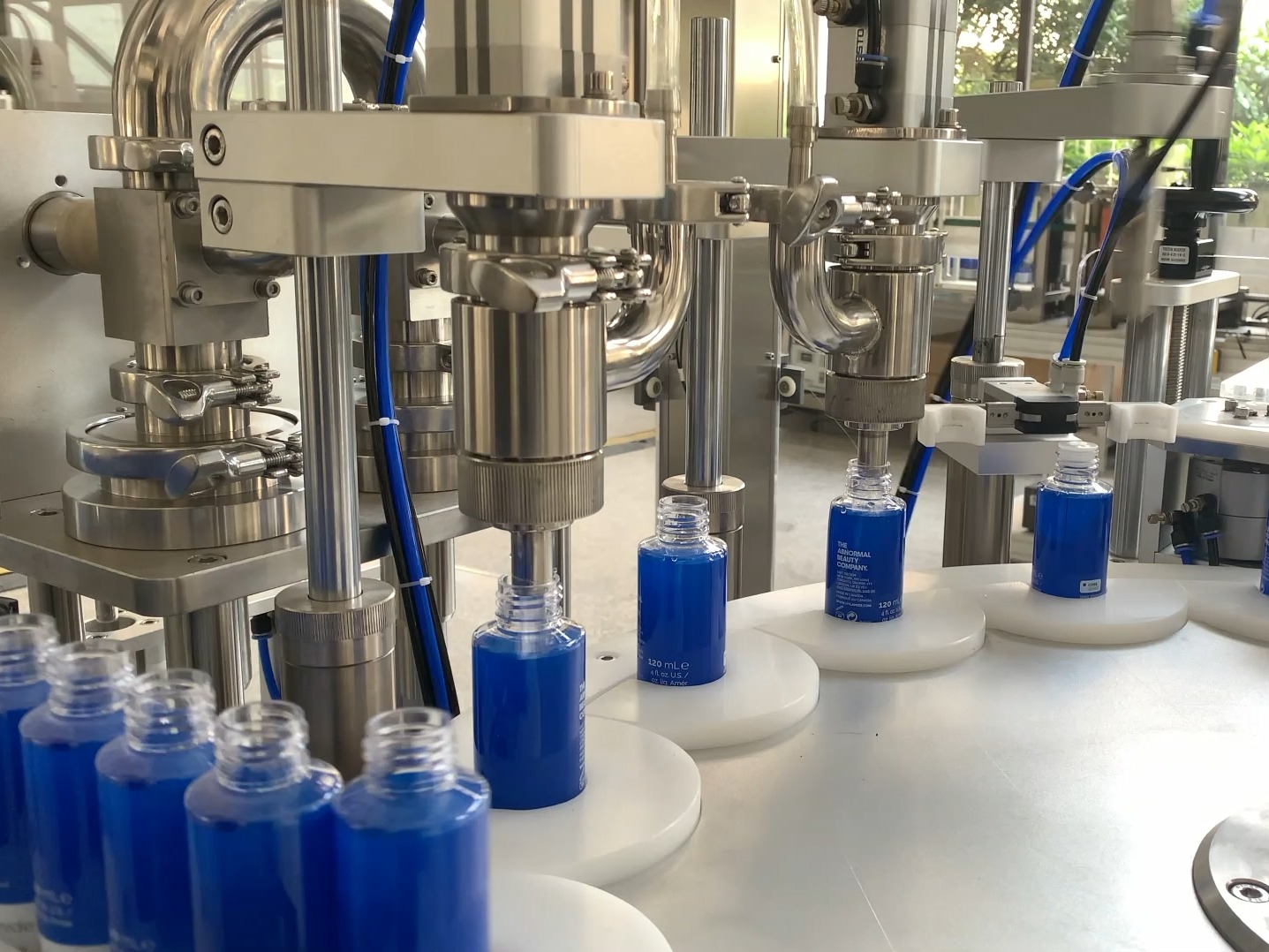
In an era of increasing automation of production processes, filling lines have become a key piece of infrastructure in the beverage and food industry. Modern filling systems enable the efficient, hygienic and precise filling of a wide variety of packages with liquid products - from waters and beverages, milk and dairy products to oils, sauces or spirits. Efficient production lines make it possible to significantly increase productivity while reducing operating costs and ensuring the highest quality standards.
Characteristics of bottling lines
Bottling lines are integrated production systems that enable the automatic filling of liquid products into containers. They provide a complete solution that combines dispensing, conveying and product protection equipment. Modern filling lines are designed to maximise productivity while maintaining the highest hygiene and quality standards.
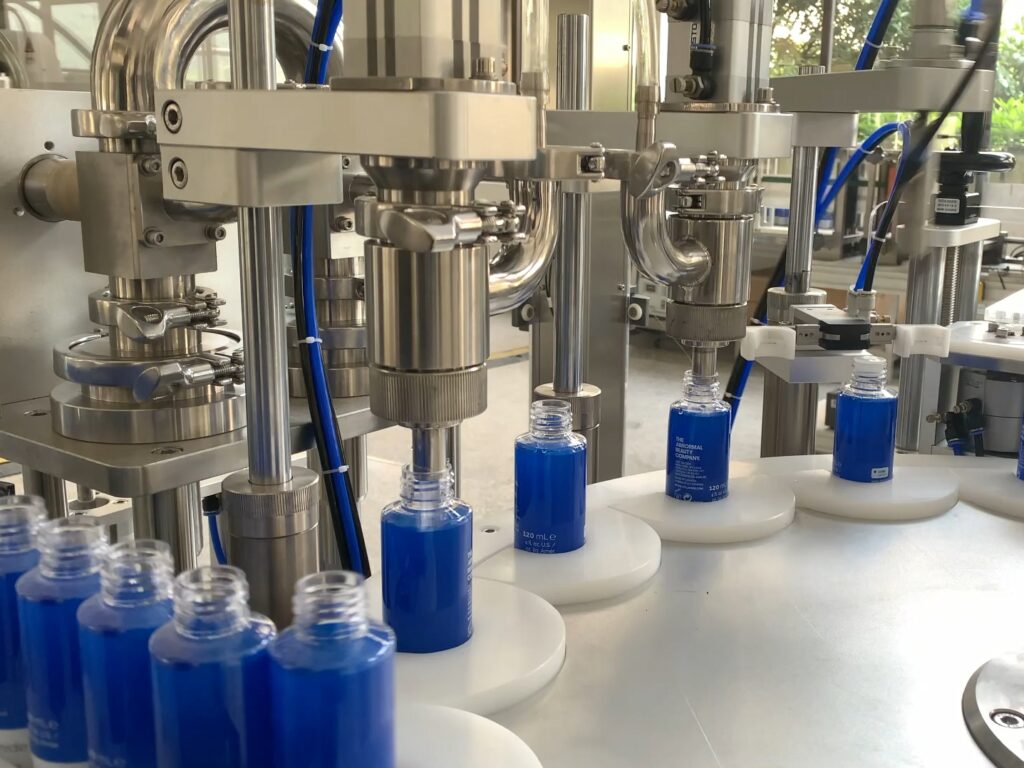
Dispensing machines and lines are primarily associated with bottle filling machines. In practice, depending on the specifics of production, bottling lines can include a variety of modules such as package feeders, rinsers, fillers or tube machines. The latter are particularly popular and widely used in the cosmetics and pharmaceutical industries, where products are often packaged in aluminium or plastic tubes. Tubes automatic allows precise filling, sealing and labelling of tubes, significantly speeding up the production process and eliminating the need for manual work.
Bottling lines are characterised by varying degrees of automation, ranging from semi-automated solutions for smaller companies to fully automated, high-capacity systems for large producers. A key element of any line is the ability to adapt to specific production needs, including the type of product to be bottled, the type of packaging used and the required throughput.
How do bottling lines work?
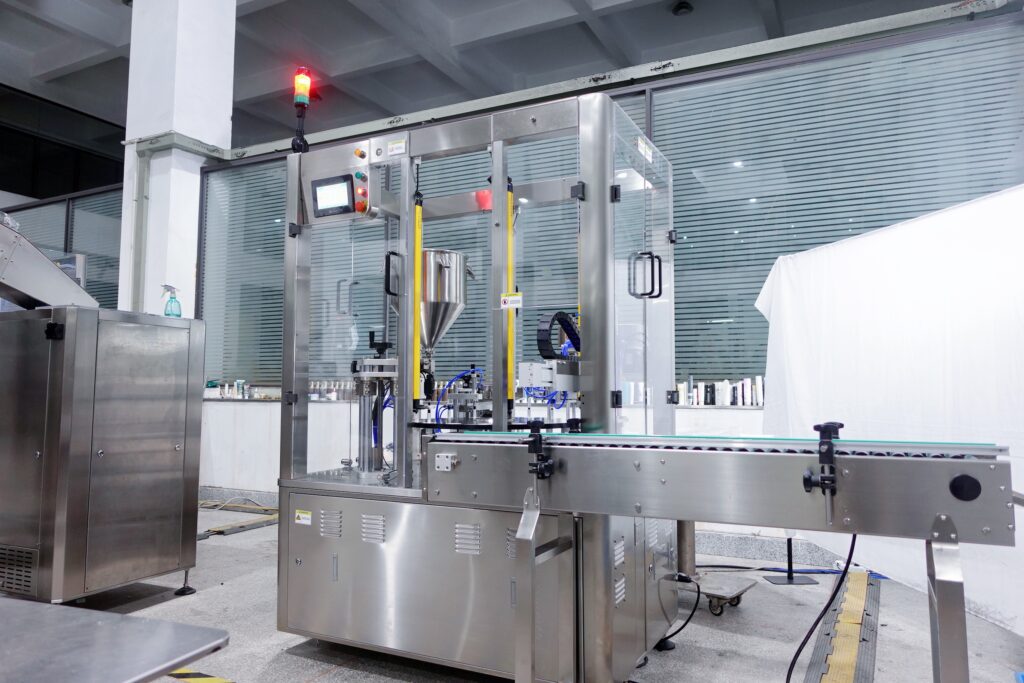
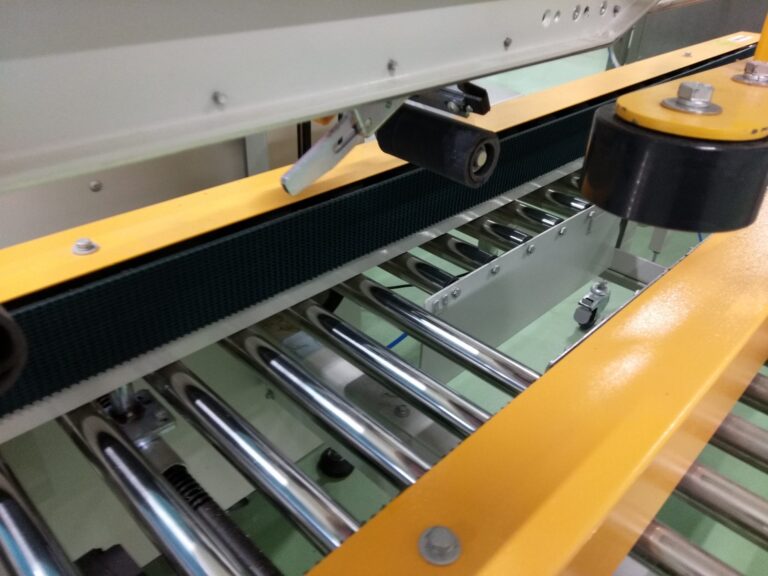
The process of bottling products using automated production lines consists of several steps. It all starts with the delivery of empties to the line. These can be a variety of types of packaging - bottles, cans, jars, tubes or other containers. The packaging is then transported via a conveyor system to the preparation section, where it undergoes cleaning and disinfection processes.
The next stage is the actual filling of the packaging with the product. Depending on the characteristics of the liquid and the type of packaging, different filling methods are used: gravity, pressure, vacuum or volumetric. Modern filling systems are equipped with precise measuring systems to ensure that the product is accurately dispensed into each package.
Once filled, the packages move to the sealing section, where they are sealed using caps, corks, caps or other closure systems. For some products, especially foodstuffs, pasteurisation or sterilisation processes are also used at this stage to extend the shelf life of the product.
The final stages include labelling, marking and group packaging of the products. The entire process is managed by a sophisticated control system that monitors every aspect of production, from line speed to filling accuracy, ensuring consistent quality of the final product.
Components of modern bottling lines
Today's bottling lines are sophisticated systems consisting of many specialised modules and equipment. Among the most important components are the package conveying systems - belt, chain or air conveyors that move packages between the various workstations. No less important is the packaging preparation equipment, such as scrubbers, sterilisers and dryers, which ensure microbiological purity before filling.
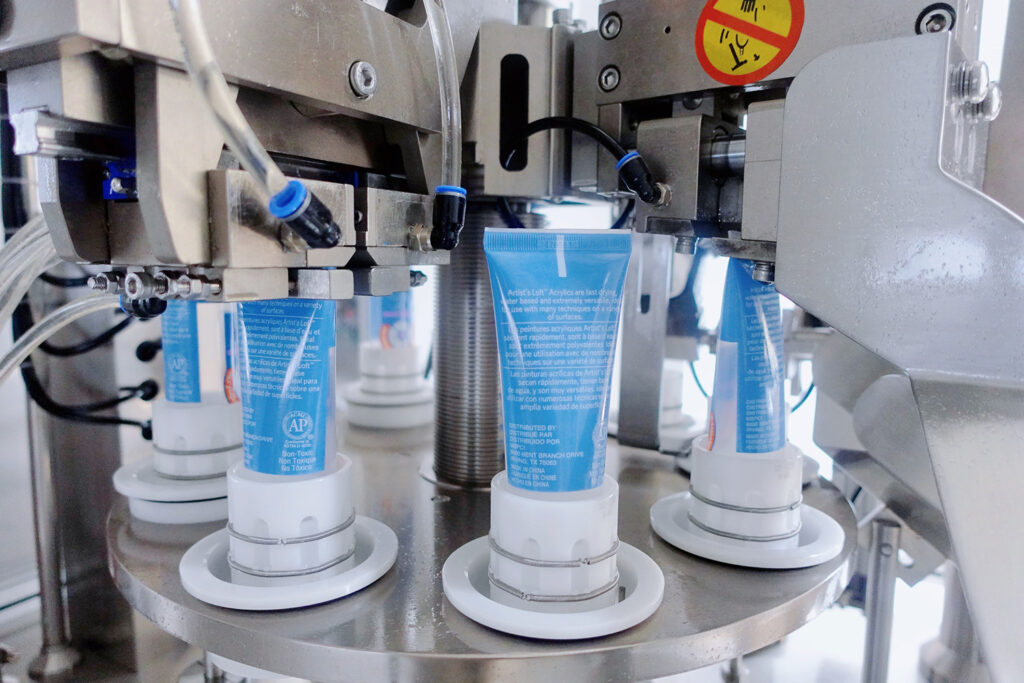
At the heart of every filling line are the fillers, which precisely dispense the product into packages. They are partnered by closers - machines that apply and secure various types of closures. Once the product is sealed, the labellers apply labels containing the necessary product and manufacturer information.
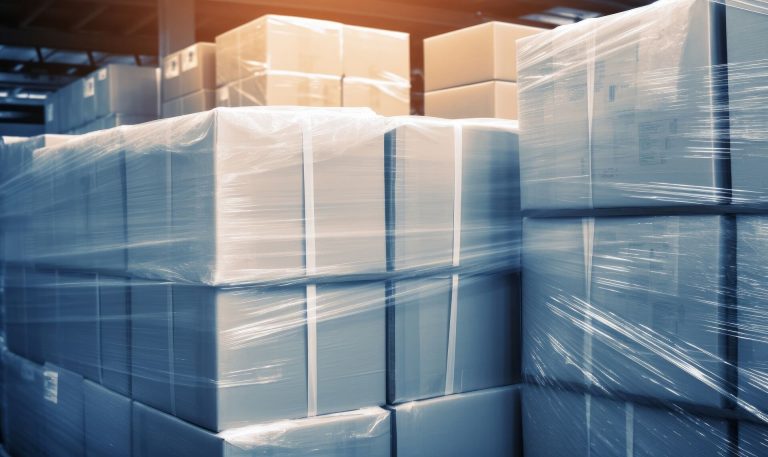
Control and inspection systems that monitor the quality of the product and packaging, detecting defective components, are also an indispensable part of modern lines. At the end of the process there are packaging machines - responsible for grouping individual products into larger commercial units. Modern packaging machines can operate in a variety of modes to create packages according to the requirements of the customers: from simple sealed packs, to bulk cartons, to complex promotional displays.
Tarpak.co.uk offers end-to-end packaging machine solutions that integrate perfectly with bottling lines, ensuring a seamless transition from the filling process to the final packaging of the product. The final component of the line is the palletising systems, which place the bulk packages on transport pallets, preparing them for distribution.
Advantages and benefits of using bottling lines
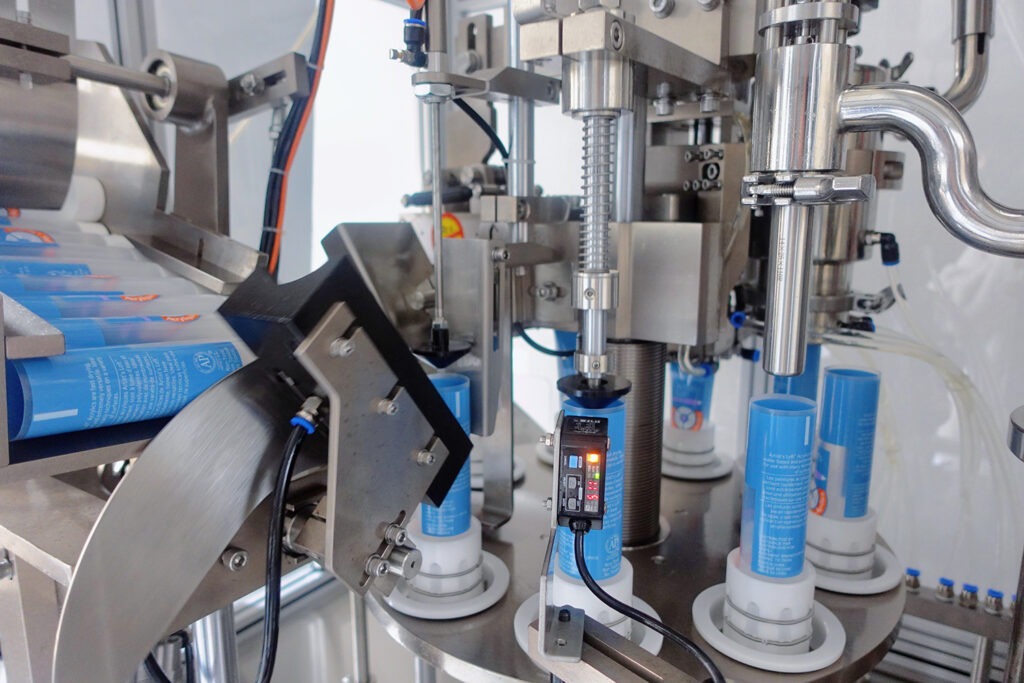
Investment in modern filling lines brings a number of tangible benefits to companies. First and foremost, automation of the filling process translates into a significant increase in production efficiency. While manual filling allows dozens of packages to be processed per hour, automated lines achieve efficiencies of up to tens of thousands of units at the same time.
Equally important is the issue of dosing precision. Modern filling systems guarantee repeatability and filling accuracy, which minimises product loss and ensures compliance with the declared package contents. This is particularly important for premium products or those subject to strict regulations.
Automation of the bottling process also contributes to improving the hygienic conditions of production. Reducing product contact with external agents reduces the risk of contamination and extends shelf life. In addition, automated bottling lines reduce staff costs and the risk of human error.
It is also worth emphasising that today's filling lines are characterised by a high degree of flexibility. The ability to quickly change packaging formats and filling parameters allows the line to be efficiently adapted to the production of different products, which is extremely valuable in a dynamically changing market.
Trends and innovations in bottling lines
The bottling line industry is constantly evolving, responding to the growing demands of manufacturers and consumers. One of the key trends is the drive to minimise environmental impact. Modern lines are being designed to save energy and water, as well as to accommodate eco-friendly and biodegradable packaging.
Digitalisation and integration with Industry 4.0 systems are also playing an increasingly important role. Advanced software allows continuous monitoring of operating parameters, predictive maintenance and data collection for process analysis and optimisation. IoT (Internet of Things) technologies make it possible to remotely manage production lines and respond quickly to any problems.
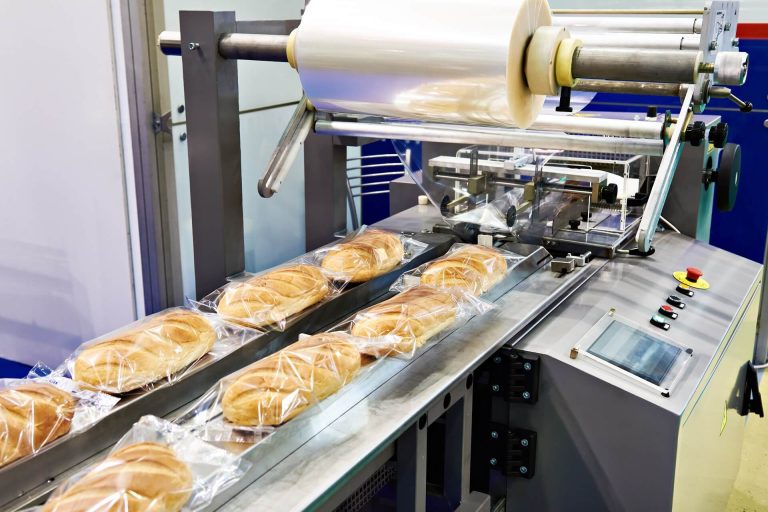
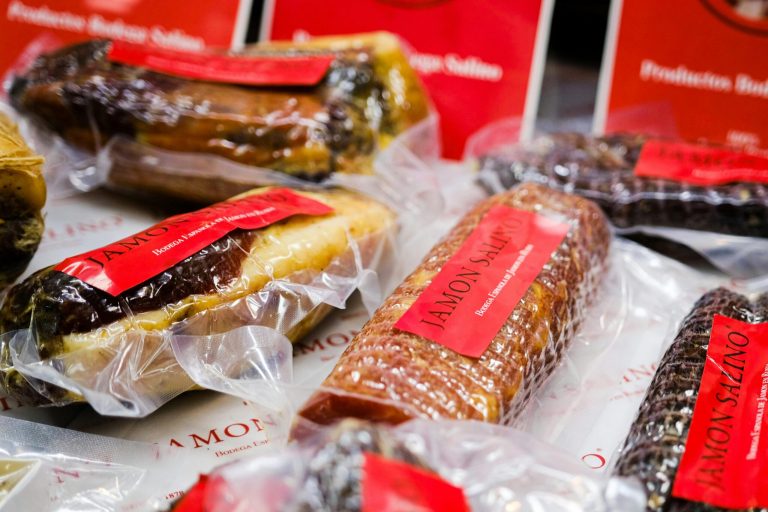
In response to the growing popularity of products with an extended shelf life, technologies for aseptic bottling and vacuum packing. The latter method, which is particularly popular in the meat, fish and convenience food industries, involves the removal of air from the package before it is sealed. Vacuum packaging not only extends the shelf life of the product, but also preserves its taste and nutritional qualities by eliminating contact with oxygen, which could accelerate oxidation and food spoilage processes.
Summary
Bottling lines are an integral part of the modern beverage and food industry. Thanks to their automation, precision and flexibility, they help to increase production efficiency, improve product quality and reduce operating costs. In the face of increasing competition and consumer demands, investment in high-tech bottling lines is becoming not so much an option as a necessity for companies seeking to maintain and strengthen their market position.
The selection of a suitable bottling line should be preceded by a thorough analysis of production needs, planned capacity and available budget. With the right choice of technology and regular servicing, modern bottling lines can serve companies for many years, ensuring stable and efficient production.
FAQ - Frequently asked questions and answers concerning filling lines
What types of products can be bottled using automated bottling lines?
Modern bottling lines are designed to handle a wide range of liquid and semi-liquid products - from waters and carbonated beverages, juices, milk and dairy products to oils, sauces, alcohols, cosmetics and chemical products. The right choice of bottling technology allows products with different viscosity, solids content or temperature requirements to be handled.
Can bottling lines be adapted to different packaging formats?
Yes, modern filling lines are characterised by a high degree of flexibility and the possibility of quick changeovers. Thanks to interchangeable formats and advanced control systems, it is possible to adapt the lines to work with different types of packaging: glass and plastic bottles with different capacities, cans, cartons or tubes. Format change times on advanced lines can be as little as a few minutes.
What is the cost of implementing a bottling line in a company?
The cost of implementing a bottling line depends on many factors: the required capacity, the degree of automation, the type of product to be bottled, the type of packaging or additional functionalities (e.g. CIP cleaning systems, sterilisation, etc.). An investment in a basic bottling line for a small company may start at several hundred thousand PLN, while advanced systems for large plants are an expense of several million PLN. It is worth noting, however, that a well-chosen bottling line usually pays for itself within a few years, thanks to increased efficiency and reduced operating costs.
How to take care of hygiene in bottling lines?
Maintaining a high level of hygiene in bottling lines is critical, especially in the food industry. Modern systems are equipped with automatic CIP (Clean-in-Place) cleaning systems, which enable all components in contact with the product to be effectively cleaned and disinfected without disassembly. Regular cleaning, the use of appropriate cleaning and disinfecting agents and adherence to hygiene procedures are key elements in ensuring production safety.
Is it worth investing in used bottling lines?
Buying a used bottling line can be an attractive option for start-ups or companies with limited budgets. However, care should be taken and the technical condition of the equipment, its service history and compatibility with the planned production should be carefully verified. Tarpak.pl offers professional advice on the selection of both new and used bottling lines, helping customers find the technically and economically optimal solution.
 English (UK)
  Polski
  Deutsch