

How are plastic bags made for packaging?
Plastic bags are an integral part of many industries, both in the food industry and elsewhere. With plastic bags, you can ensure that your products are packaged efficiently and effectively, while also taking care of the environment. In this article, we will outline the ins and outs of plastic bag production and outline the variety of applications.
Plastic bag manufacturing process
Plastic bag manufacturers use advanced technology and machinery to create high-quality packaging. The process of manufacturing plastic bags usually involves several steps.
Film forming
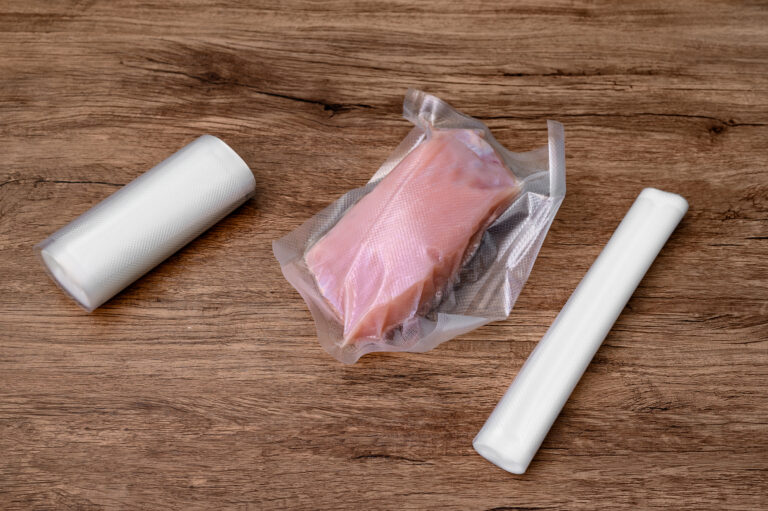
The first stage in the production of plastic bags is film forming. The material from which the bags are made is often low- or high-density polyethylene. The films are made using special machines that melt the raw material and form it into a thin, flexible film.
Printing and lamination
The next step is to print the film. Manufacturers have the option to print various information on the film, such as company logos, operating instructions, contact details, etc. After printing, the films can be laminated, which increases their strength and protects the print from damage.
Cutting and shaping
Once the film has been prepared, the cutting and shaping of the bags follows. Using special machines, the film is cut to the appropriate length and then formed into bags of the desired shape and size. Manufacturers can create bags in various forms, such as flat bags, stand-up bags, bags with a zipper closure, etc.
Finishing and packaging
The shaping of the bags is followed by the finishing stage. The bags can be fitted with various additional elements, such as handles, hanging holes or string closures. The bags are then packaged and ready for distribution.
Types of plastic bags for packaging
There are different types of plastic bags available on the market to suit specific needs and products.
- Food grade plastic bags are designed for food packaging. They are hygienic, safe and preserve the freshness of food products.
- Industrial bags are used for packaging building materials, chemicals, fertilisers and other industrial products. They are more durable and resistant to damage.
- The bags on the stand are ideal for packing loose products such as rice, flour, sugar or coffee. Thanks to the special handle, the bags can be easily placed on a shelf.
- Zip-lock bags are practical and easy to use. They allow the bag to be opened and closed multiple times, making it easy to store and keep the contents fresh.
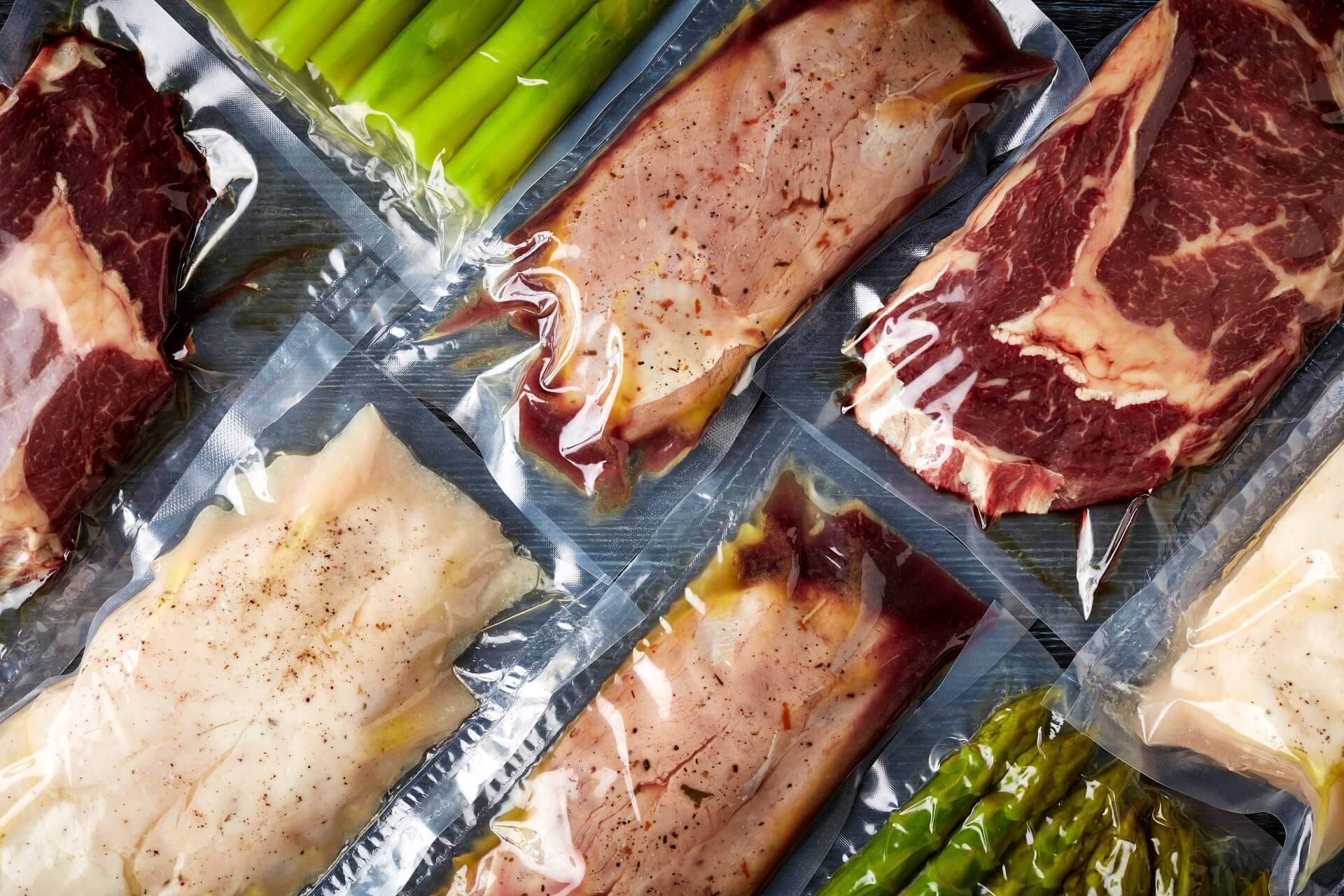
- Food grade plastic bags are very popular in the food industry. They provide protection and preserve the freshness of food. They are ideal for packaging bread, fruit, vegetables, meat and other food products. Plastic bags foods are hygienic, easy to store and help prolong the shelf life of food.
Manufacturer of plastic bags
The production of film packaging plays an important role in industry. There are many companies specialising in the production of plastic bags and film packaging. These companies have advanced packaging machines and technologies to create durable, high-quality packaging. Cooperation with professional manufacturer of plastic bags guarantees the delivery of packaging that meets individual customer needs.
Flow pack technology
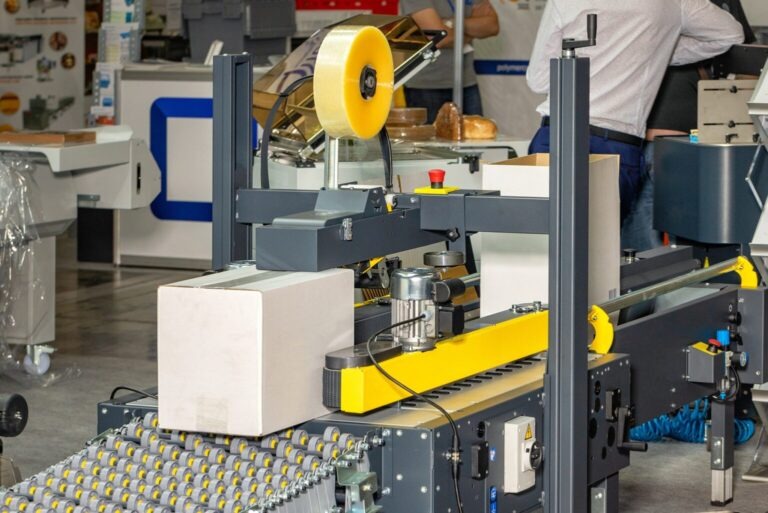
Flow pack technology is widely used in packing of products in plastic bags. Flow pack is an automated packaging process that ensures the bag is sealed tightly. With this technology, the product is fed into the bag and the bags are then sealed, providing protection and keeping the contents fresh. Flow pack technology is efficient, fast and allows for the packaging of different types of products.
Packaging of products in plastic bags
Packing products in plastic bags is simple and efficient. Products are placed in the bag and the bags are then sealed to provide protection against moisture, loss of freshness and damage. With different types of plastic bags, packaging can be adapted to different products and needs. Practical and convenient to use, the plastic bags make it easy to store and transport products.
Advantages of plastic bags
- Excellent protection: plastic bags provide excellent protection for products against moisture, light, air and mechanical damage.
- Environmentally friendly: there are plastic bags that are environmentally friendly, made of biodegradable or recyclable materials.
- Easy to use: plastic bags are easy to use, making product packaging simpler and quicker.
- Adaptation to needs: plastic bags are available in a variety of sizes, shapes and closure types, allowing the packaging to be tailored to specific products and customer requirements.
- Durability and robustness: The plastic bags are made of high-quality materials that are durable and resistant to damage, ensuring long-lasting storage and transport of products.
- Aesthetics: thanks to the possibility of printing on the film, the plastic bags can be decorated with a logo, product information or an attractive design, which attracts the attention of customers.
Ecological aspects of plastic bags
In recent years, there has been a growing awareness of the environment, so manufacturers of plastic bags are increasingly turning to environmentally friendly materials. There are plastic bags that are biodegradable or made from recyclable materials. In this way, you can reduce your negative impact on the environment and contribute to the protection of our planet.
Food safety in plastic bags
Plastic bags are designed to ensure food safety. The materials used to make the bags are hygienic and do not react with the contents, which protects food from contamination. In addition, plastic bags can be fitted with closures to keep products fresh and prevent accidental spillage.
How do I choose the right plastic bags?
There are several factors to consider when choosing the right plastic bags:
Product type
Depending on the type of product being packaged, the bags should be selected according to its characteristics. For example, for the packaging of foodstuffs, you should choose grocery bagswhich will provide adequate protection.
Properties of plastic bags
Consideration should be given to the characteristics of the bags, such as strength, tightness and ease of use. It is important that the bags are strong enough to avoid damage during transport and storage.
Compliance with standards
When packaging food products, it is a good idea to choose plastic bags that comply with current standards and health and hygiene requirements. Ensure that plastic bags are safe and comply with the relevant food regulations.
Size and form
Choose plastic bags of the right size and form for the products being packed. Pay attention to the volume and dimensions of the bags to ensure they fit properly.
Branding and personalisation
If you are keen to promote your brand, you can choose plastic bags that allow you to print your logo or other information. Personalised bags can help to reinforce your company image and product recognition.
Summary
Plastic bags are an indispensable element in today's packaging world. Their versatility and flexibility make them an indispensable companion to a variety of industries, from food to industrial. In this article, we looked at the manufacturing process of plastic bags and discovered the variety of their uses. We found out how manufacturers create these packs, the types of packs and the benefits of using them.
Plastic bags are not only a practical and effective solution, but also an excellent form of protection and preservation of product freshness. Environmentally friendly options, such as biodegradable or recyclable bags, are another step towards sustainability. They allow us to take care of both the quality of our products and our planet.

 SDVC34-UR controller with automatic adjustment
  English (UK)
  Polski
  Deutsch