


Today's market is extremely saturated. The consumer, standing in front of a shop shelf, makes a decision about a particular product in a split second. What catches his eye? What guides him in his choice? Obviously, packaging plays a key role, but what ultimately builds trust and provides the necessary information is its labelling. Goods labelling is much more than a legal requirement; it is a fundamental communication tool between the producer and the consumer, a key to efficient logistics and a guarantee of safety. In this post, we will look at how to approach the product identification process effectively to fulfil all these functions.
The role and importance of correct labelling
Proper product labelling has three fundamental functions. Firstly, there is the information function. For the customer, the label is the main source of knowledge about what they are buying. This is where you will find data on composition, nutritional value, use or potential allergens. Good product label not only informs, but also builds the image of the brand as transparent and trustworthy. Secondly, the legal function. There are a number of legal regulations at national and EU level that specify precisely what information must be included on the packaging. Failure to comply with these requirements can lead to serious financial consequences and even the withdrawal of goods from the market.
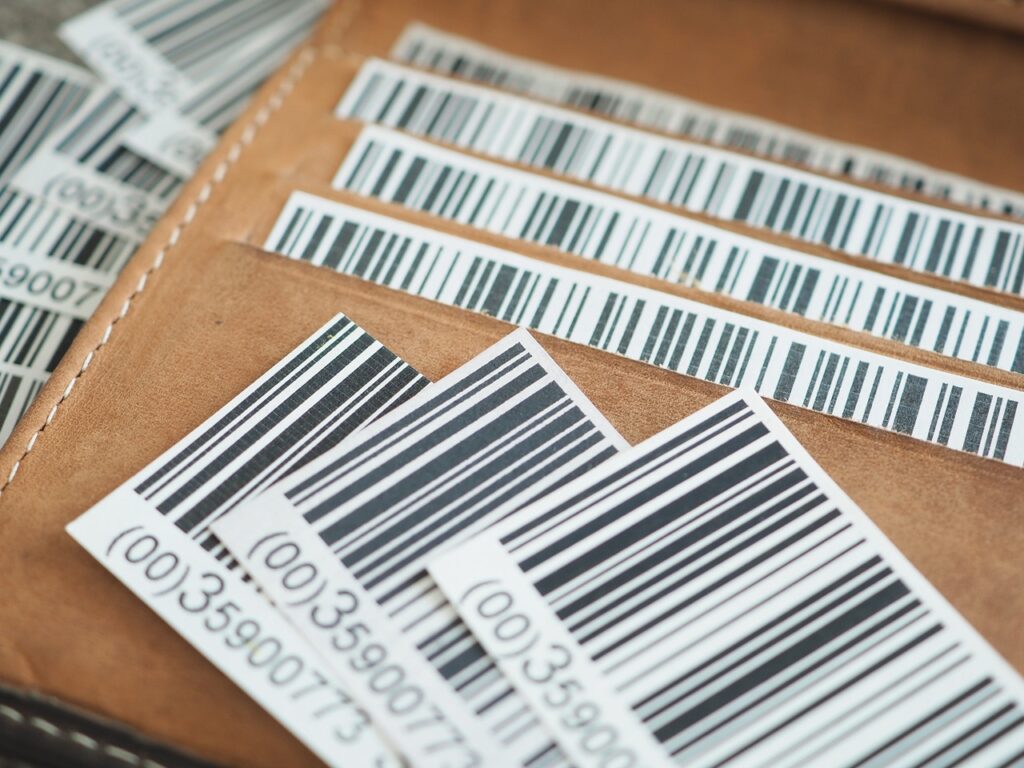
The third function is logistics and identification in the supply chain. Barcodes, batch numbers or production dates make it possible to trace a product from the factory to the shop shelf. This is essential for managing stock, quickly locating batches in case of possible quality problems and optimising warehouse and distribution processes. Without a precise labelling system, modern trade and large-scale production would be impossible. All these elements combine to form a coherent system in which consumer safety and business operational efficiency go hand in hand.
What must a product label contain? Key elements
According to current legislation, especially in the context of food and consumer products, there is a catalogue of information that should mandatorily appear on the packaging. In the first place, the full name of the product should be mentioned and list of ingredients, listed in descending order of weight. Particular attention must be paid to substances presenting an allergenic risk, which must be clearly identified in the composition. Information on the net quantity of the product is also extremely important.
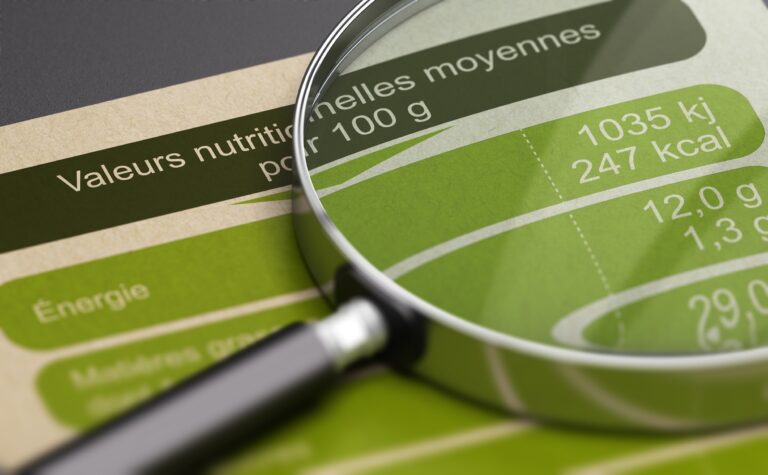
Another key element is date of minimum durability („Best before”) or shelf life („Should be consumed by”). These two terms are not the same - the first relates to quality, the second to safety of consumption. The label must also include the full manufacturer's data or the entity that places the good on the market, including company name i registered office address. In the case of food products nutritional information must be provided. All of these information should be presented legibly, indelibly and in a Polish, if the goods are distributed on in Poland.
Specificity of labelling according to product and packaging
General labelling rules are one thing, but in practice the requirements can vary considerably depending on the industry and the type of packaging. A different approach is taken to the labelling of fresh produce food products, differently for cosmetics, and still differently for electronics bearing CE marking. For example, in the case of cosmetics, in addition to the INCI composition, it is necessary to provide specific warnings or recommendations for use, especially in the context of products for babies and young children.
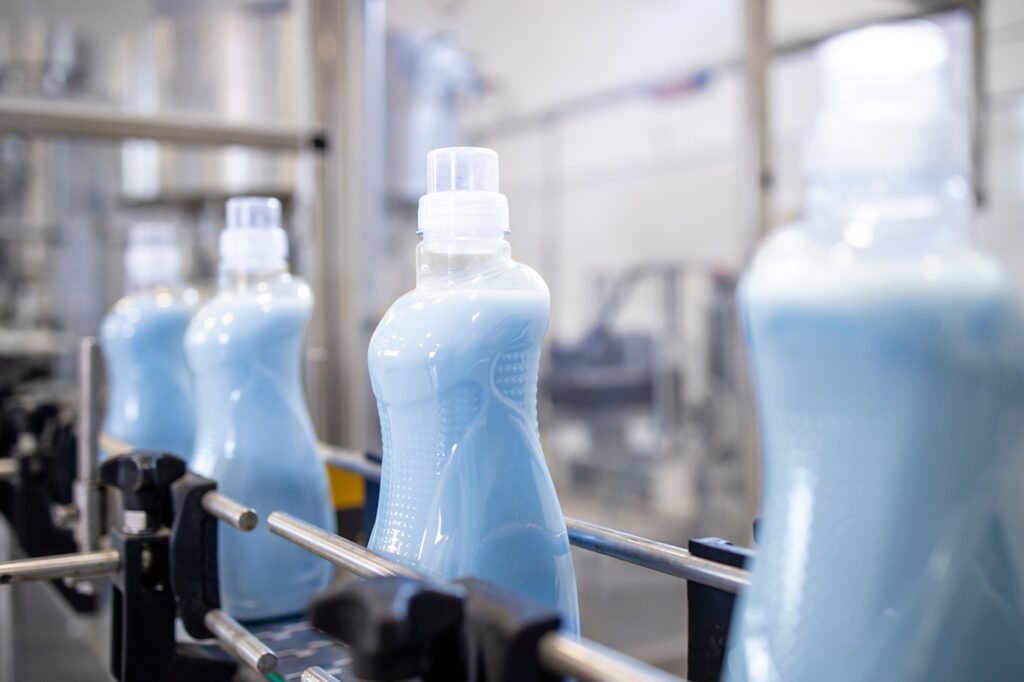
The type of packaging has a direct impact on the technology and the way in which the markings are applied. A large cardboard box offers different possibilities, while a small, flexible sachet offers others. Marking on glass bottles, metal cans or plastic packaging requires different printing techniques to ensure durability and legibility. A specific case is pharmaceutical products, where packaging such as blisters must contain precise dosage and batch number data, and the labelling process itself is subject to extremely rigorous validation. Selecting the right labelling method for the packaging material is key to ensuring the integrity of the information throughout the product lifecycle.
Regulations - what every entrepreneur should know
Navigating the maze of labelling legislation can be a challenge. The most important piece of legislation in the European Union in on the provision of food information to consumers is Regulation (EU) No 1169/2011 of the European Parliament and of the Council. It standardises labelling requirements for foodstuffs throughout the Community. In addition, there are a number of sectoral directives and regulations, e.g. for cosmetics, detergents or toys.

An entrepreneur who introduces goods market, is fully responsible for the legality of the labelling. It is worth remembering that retail chains often have their own additional requirements that must also be met. It is important to keep up to date with changes in legislation, as ignorance does not absolve responsibility. Investing in a legal consultation or hiring a quality and food law specialist is often the best way to avoid costly mistakes and ensure full compliance with current standards.
Marking technologies and production automation
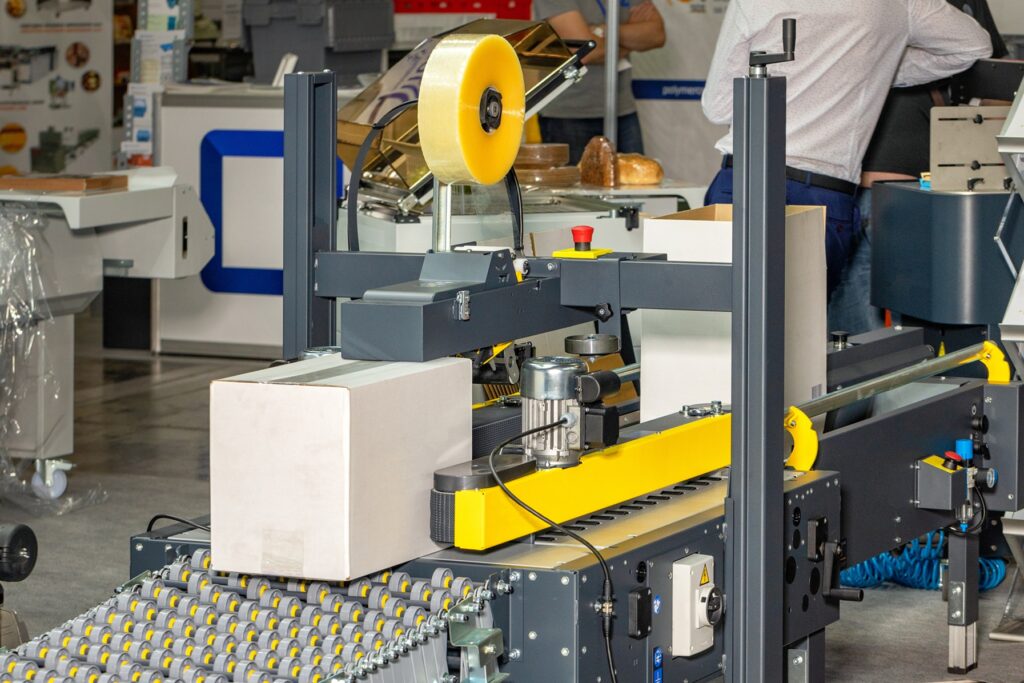
Successful marking on a mass scale would not be possible without advanced technologies that are an integral part of modern production lines. The choice of the appropriate technique depends on many factors: the type of packaging, the speed of the line, the required durability of the print and the type of information to be applied (text, date, barcodes, graphics). The most common methods include ink-jet printers (Ink-Jet), thermal transfer printing (TTO) and laser marking.
Modern packaging machines often integrate labelling systems directly into their design. As a result, the process of labelling, printing the date or applying the batch code is fully automated, immediately after filling and closing the packaging. This integration minimises the risk of human error, ensures 100% repeatability and high productivity. It is the synergy between the precise mechanics of the packaging machines and the advanced marking systems that allows the highest quality and safety of the final product that reaches the consumer.
Summary
Effective marking of goods is a complex process that requires knowledge of law, technology and marketing. It is the silent hero on packaging that plays a key role in building trust, ensuring safety and streamlining logistics. Let's remember that today's consumers are increasingly aware and demanding - a clear, complete and truthful label is no longer an add-on, but an absolute necessity and the foundation for success in a competitive market.
FAQ - Frequently asked questions
What is the difference between a „minimum durability date” and a „use by date”?
„Minimum durability date” (referred to as „Best before”) indicates until when a product stored as recommended retains its full properties, such as taste, aroma and texture. After this date, the product may still be safe to eat, but the quality may be lower. On the other hand, the „best before date” („Use by”) is used for perishable products (e.g. meat, dairy) and indicates the date after which consumption of the product may pose a health risk.
Does the full address of the manufacturer have to be stated on each product?
The legislation requires the name (company) and address of the entity responsible for the product. This can be the manufacturer, distributor or importer. This information must allow for clear identification and contact with the company, which is crucial in case of possible questions or complaints from consumers.
Is the nutrition declaration mandatory for all foods?
Yes, for most processed foods the nutrition declaration is mandatory. It must include data on the energy value and the content of fat, saturated fatty acids, carbohydrates, sugars, proteins and salt. There are some exceptions, e.g. for unprocessed foods, water or herbs, but as a general rule this is a standard element of labelling.





 English (UK)
  Polski
  Deutsch