

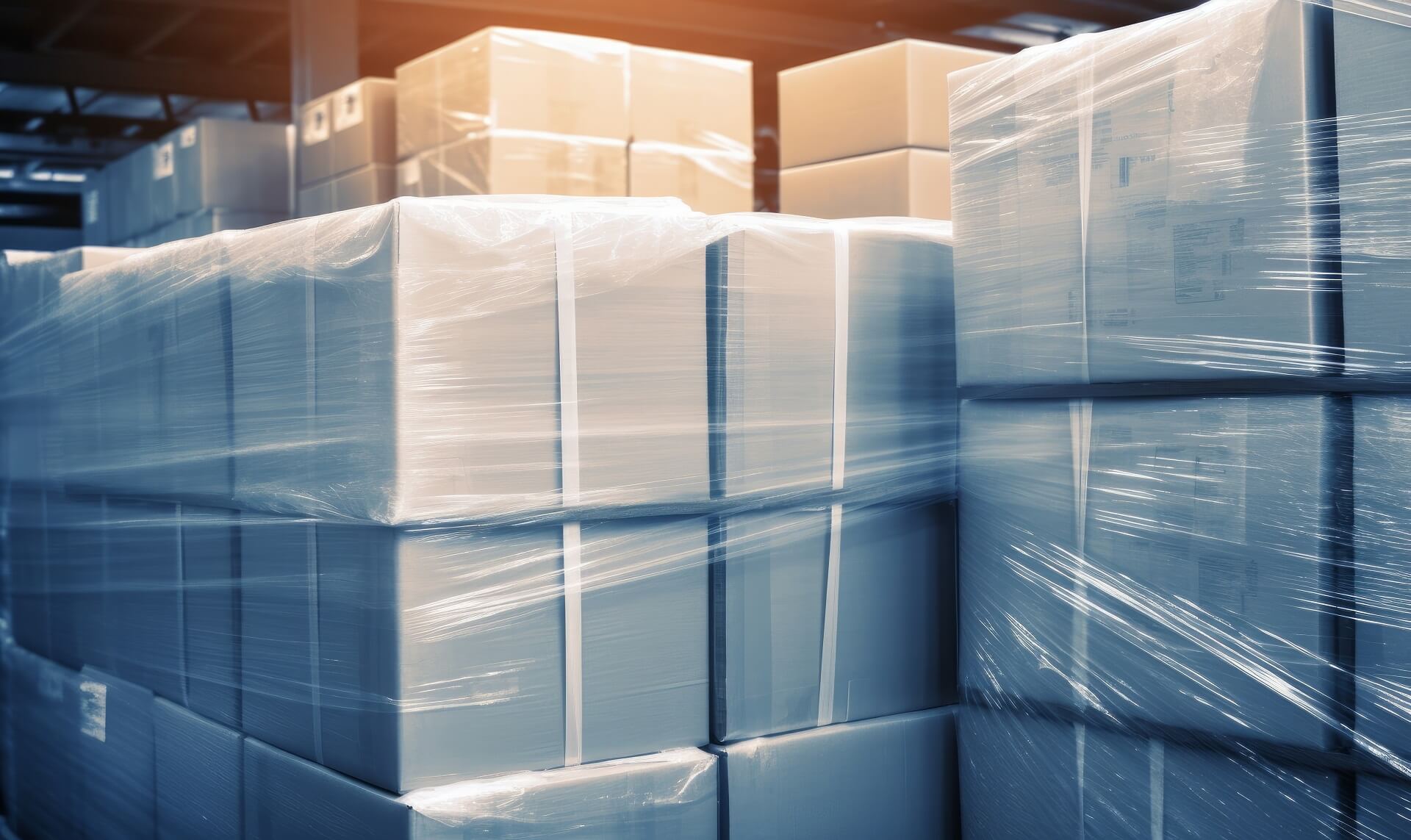
The palletisation of goods is a fundamental element of modern logistics that is revolutionising the way products are stored, transported and distributed in businesses around the world. This key logistics process involves the systematic stacking of goods on pallets in a way that ensures stability, safety and efficient use of storage space. In today's age of automation, palletisation is evolving from manual methods to advanced robotic systems that significantly improve palletisation efficiency while ensuring less risk to employee health.
What is palletisation and why is it crucial in logistics
Palletisation is nothing more than the stacking of goods on pallet supports - in simpler terms, on pallets. It is part of logistics to prevent damage to goods and their loss during transport or storage. The process involves stacking products on a pallet in such a way that they are stable and easy to transport and store, thus minimising damage during transport and optimising logistics costs. Nowadays, in addition to traditional methods, the following are gaining popularity depalletisers - equipment designed to transfer packaged products from pallets and place them on the conveyor belts of production lines. These innovative systems work in the opposite way to palletisers, enabling the rapid delivery of materials to production lines, particularly in large factories.
The importance of palletisation in the modern economy cannot be overestimated - it is the key to optimising storage space, streamlining logistics processes and significantly reducing the risk of damage to transported goods. By standardising pallet sizes, it has become possible to fully automate warehouse processes, which directly translates into lower operating costs and increased efficiency throughout the supply chain. Modern logistics is based on solutions that eliminate the need for manual handling of individual load units, enabling the efficient movement of large numbers of goods and allowing the automation of warehouse processes.
Fundamental benefits of palletisation in the company
The implementation of an efficient palletisation system brings multifaceted benefits to companies, which directly affect the profitability and competitiveness of the business. First and foremost, palletisation provides a significant increase in the efficiency of loading and unloading goods, allowing cargo to be moved or transported efficiently and quickly from place to place. The process radically simplifies the transport of goods, even over long distances, with most transport companies now requiring palletisation for specific types of goods. Additionally, goods stacked on pallets take up less space and are easier to stack, allowing companies to accommodate more products in a given space while keeping the warehouse tidy.
A key advantage of palletisation is that it significantly improves working safety conditions, reducing both the risk of accidents involving workers by relieving them of heavy physical work and reducing the possibility of damage to goods. Automation of the packing process of goods using industrial robots can perform movements at speeds unattainable by humans, significantly increasing the efficiency of the entire process. Such solutions can operate in conditions where it is difficult for humans to work, providing greater ergonomics and reducing the risk of damage to goods. Palletisation improves the handling of loads by warehousemen, as they can pick and put away entire loads at once instead of many individual products.
Various palletising methods and technologies
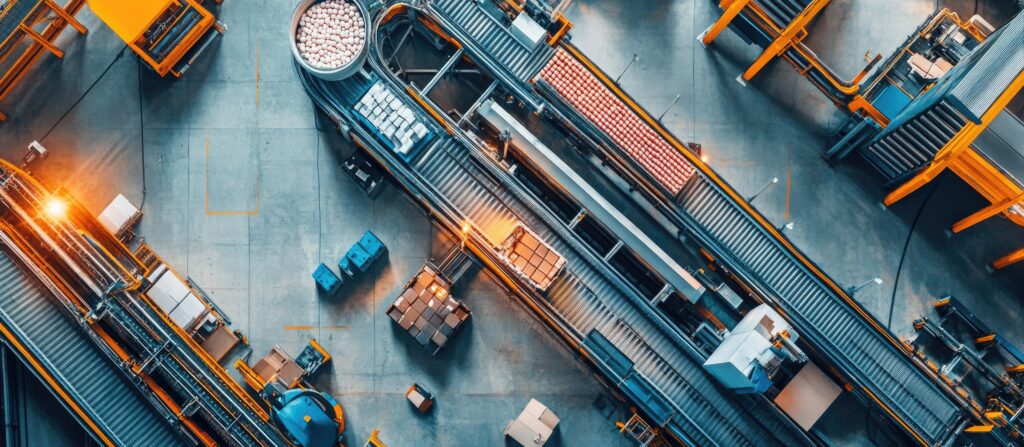
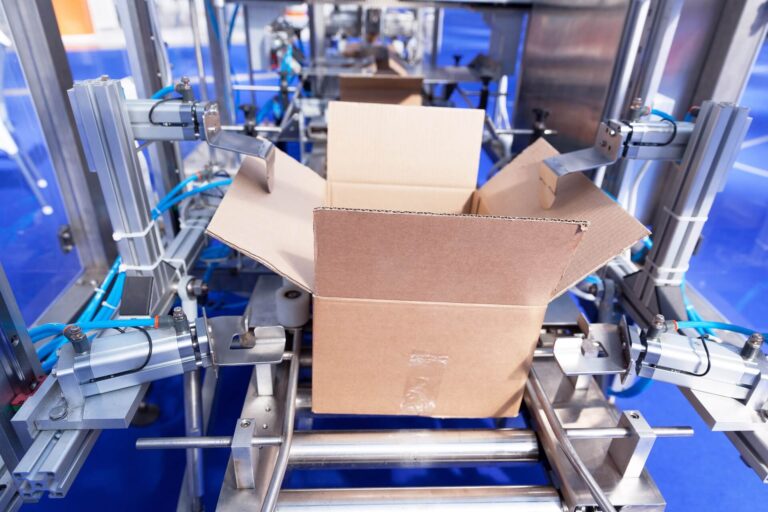
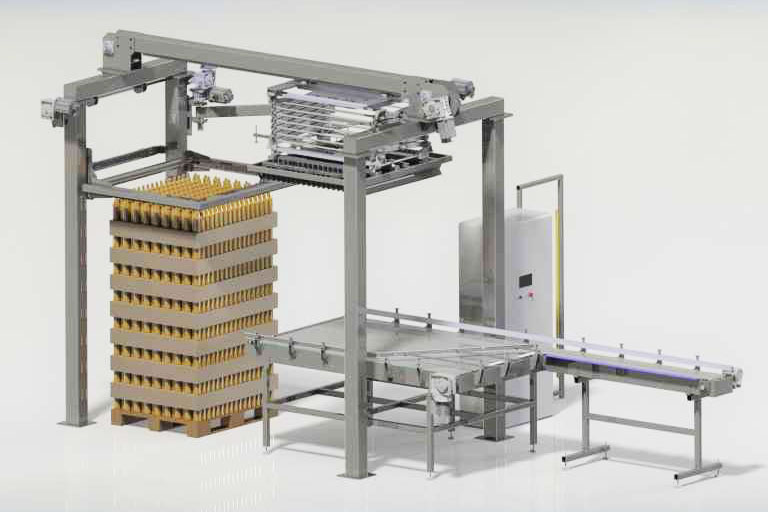
Depending on the specific nature of the business and the type of goods produced or stored, a variety of palletising methods are used to suit individual production needs. Manual palletisation remains a basic method in smaller plants, where products are placed on pallets by employees, which is suitable for a small number of goods or unusual shapes. Semi-automatic palletisation requires the use of special support equipment, such as lifts or conveyors, which is a compromise between the cost of implementation and increased efficiency. The most modern form is automatic palletisation, which means fully automating the process using robots that stack goods according to pre-programmed patterns.
Particularly relevant in the context of modern production is the use of advanced technologies on the production line, where palletisers as multi-taskers packaging machines can operate up to several production lines simultaneously. The industrial robots used in the palletising process are characterised by different designs - Cartesian robots require a small space to operate, but have movement limitations due to their design, while articulated robots allow for flexible use due to their large range of movement. Each palletiser is customised to ensure maximum efficiency for a specific production.
Among modern palletising technologies, layered palletising also stands out, where goods are stacked in layers to ensure stability, which is often used for products in packaging. This type of palletisation is particularly useful when packing heavy products, such as bottles of liquids or cans, where each layer is separated by a protective material. In addition, when palletising, the pallet is often wrapped with plastic or steel strapping or secured with stretch film to stabilise the load for transport.
Palletising automation as a response to industry challenges
Automated palletising provides a solution to a number of problems associated with the manual process of stacking goods, which most often generates significant operational difficulties. Due to the strain on the body and the physically demanding work with high repetitive tasks, there is a high turnover of workers, which in turn implies the frequent hiring of new people and the need to train them. In addition, manual stacking of goods on the pallet is inefficient and has low repeatability, leading to problems with the stability of the load on the pallet and product damage occurring.
Automating the palletisation process first and foremost significantly improves efficiency and this leads to the elimination of human error and the maintenance of 99% process repeatability. This ensures that companies can be confident that each pallet will be placed in almost the same fixed way, which is crucial for transport and storage stability. By implementing the system, it is possible to significantly reduce the number of people required to operate the station, or even eliminate them altogether, so that staff shortages do not arise, for example in the form of insufficient forklift operators. Automation also ensures the continuity of the process and the absence of downtime, which translates into increased profitability of the entire operation.
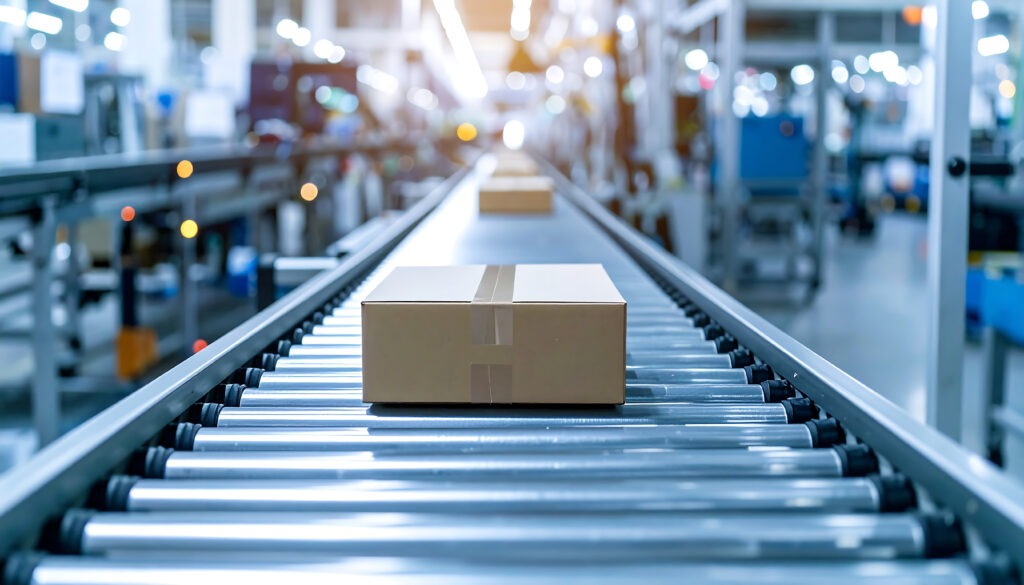
Today's automatic palletising systems can be divided into several categories depending on the level of technological advancement. These systems use palletising robots and load stacking machines to precisely position products on pallets in a way that optimises transport stability and safety. Automation of the palletising process can be carried out with the help of a roller conveyor, which brings the pallets into the appropriate area, where the robot begins cyclic picking of the products.
Choosing the optimum palletising technology for your business
In order to choose the right palletising technology, it is necessary to analyse in depth the type of products to be palletised, taking into account their specific properties, dimensions, weight and safety requirements. It is also crucial to analyse individual production needs and the logistics of the products, which determines the choice of a specific type of equipment and the way in which it is automatically implemented. Companies must consider a number of factors, including the scale of production, available storage space, investment budget and the company's long-term strategic goals.
In terms of choosing between different types of palletisers, companies can opt for single-station palletisers, which are ideal for smaller plants with limited space, or for multi-purpose machines capable of handling several production lines simultaneously. The type of palletisation also depends on the specific industry - different solutions are required in the food sector than in the chemical or pharmaceutical industries. Palletisation is particularly important in industries that rely on efficient sales management, where speed and precision of operations are crucial.
The need to consider reverse processes is also an important decision-making aspect - depalletisers will prove useful in situations where pallets need to be quickly unloaded and products transferred to production lines. It is important to remember that modern solutions, such as the Metal Technika machine, combine palletising and depalletising functions in a single unit, saving money and space in the company. This type of integrated solution is particularly beneficial for companies with limited production space that need high productivity with minimal space requirements.
Applications of palletisation in various economic sectors
The palletising system is characterised by its versatility and is used in virtually all sectors of the economy, from the food industry to heavy equipment manufacturing. In the food sector, palletisation enables safe and hygienic storage and transport of foodstuffs, minimising the risk of contamination and providing suitable conditions for sensitive products. The pharmaceutical sector uses palletisation to ensure the safe storage and transport of medicines and medical products, protecting their integrity and therapeutic properties. In these industries, the use of specific contents on pallets and the proper protection of grouped packaging stacks is crucial.
In warehousing, palletisation facilitates the organisation and storage of goods, optimising space and improving inventory management. International transport in particular benefits from standardised pallet dimensions, which facilitate international trade by ensuring compliance with the standards of different countries. The export and import of goods relies heavily on efficient palletisation systems, which enable goods to move quickly and safely between different markets. The entire palletisation process in the context of international trade must take into account the various regulatory requirements and quality standards of the different countries.
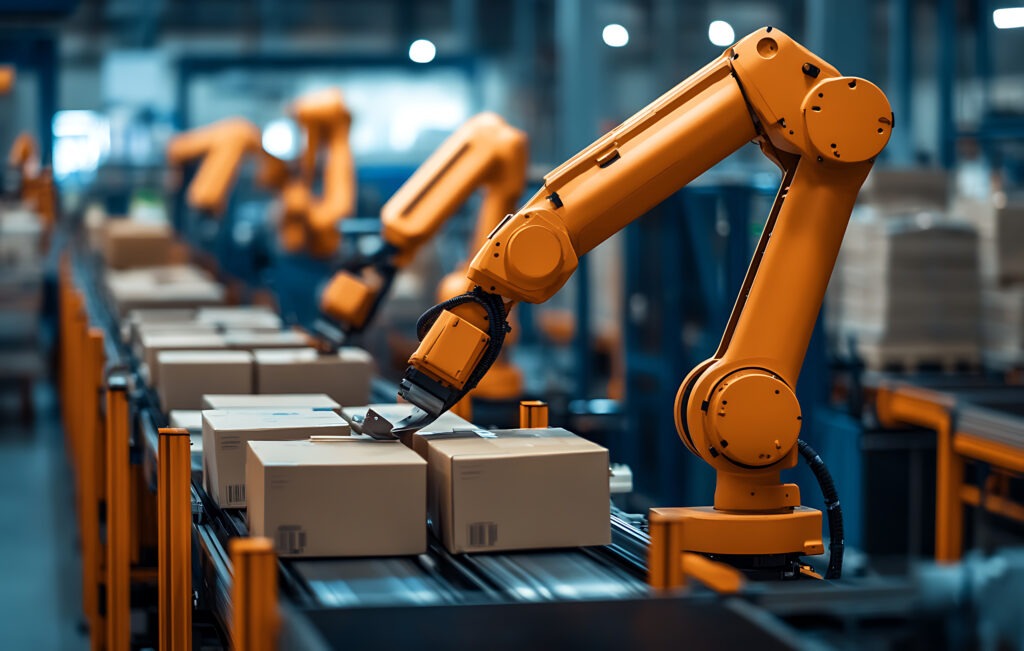
Modern manufacturing companies use palletisation as an integral part of their production lines, where industrial robots perform precise stacking of products according to pre-programmed patterns. In this context, the use of rigid containers and the proper management of palletised load units, which must meet strict quality and safety standards, are particularly important. The time required for palletisation in production itself must be optimised so as not to slow down the entire production process, which requires precise planning and coordination of the various production stages.
Development prospects for palletising technology
The future of palletisation of goods in your company will be shaped by the dynamic development of automation technology, artificial intelligence and industrial robotics. Modern palletisation systems are evolving towards even greater integration with production management systems, enabling real-time monitoring and optimisation of the palletisation process. Developments in technology are enabling the creation of flexible systems that can quickly adapt to changing production requirements and new product types, ensuring high productivity with minimal operator intervention.
A key trend in the development of palletising technology is the implementation of artificial intelligence-based systems that can autonomously optimise product stacking patterns based on product characteristics and transport requirements. These advanced systems will be able to analyse in real time the characteristics of the products being stacked and automatically adjust palletising strategies to maximise space efficiency and minimise the risk of damage. Further product distribution will be aided by the development of integrated logistics systems that combine palletisation with transport and storage systems into a coherent whole.
Modern palletisation solutions increasingly incorporate sustainability aspects, promoting the use of recycled materials and optimising processes to reduce the carbon footprint. Companies investing in modern palletisation technologies can expect not only to improve operational efficiency, but also to increase their competitiveness in the market by offering greener and more cost-effective logistics solutions. The palletisation process can no longer be seen as an isolated component of production - it is an integral part of a company's comprehensive digitalisation and automation strategy, which determines its position in today's market.

 English (UK)
  Polski
  Deutsch